While we prioritize protecting the nose and mouth from SARS-CoV-2, the eyes represent another potential entry point. Research from Chinese hospitals, published in JAMA Ophthalmology on September 16, 2020, indicates that regular glasses wearers experienced notably lower infection rates—though quantifiable data on ocular transmission remains limited.
Frequent handwashing is crucial partly because touching the eyes can transmit the virus. Droplet projection poses an additional ocular risk. This study analyzed 276 COVID-19 patients at Suizhou Zengdu Hospital, where just 16 (5.8%) were habitual glasses wearers. Yet, 31.5% of the local population wears glasses daily for at least eight hours. The researchers highlighted this stark disparity in infection rates between glasses wearers and non-wearers.
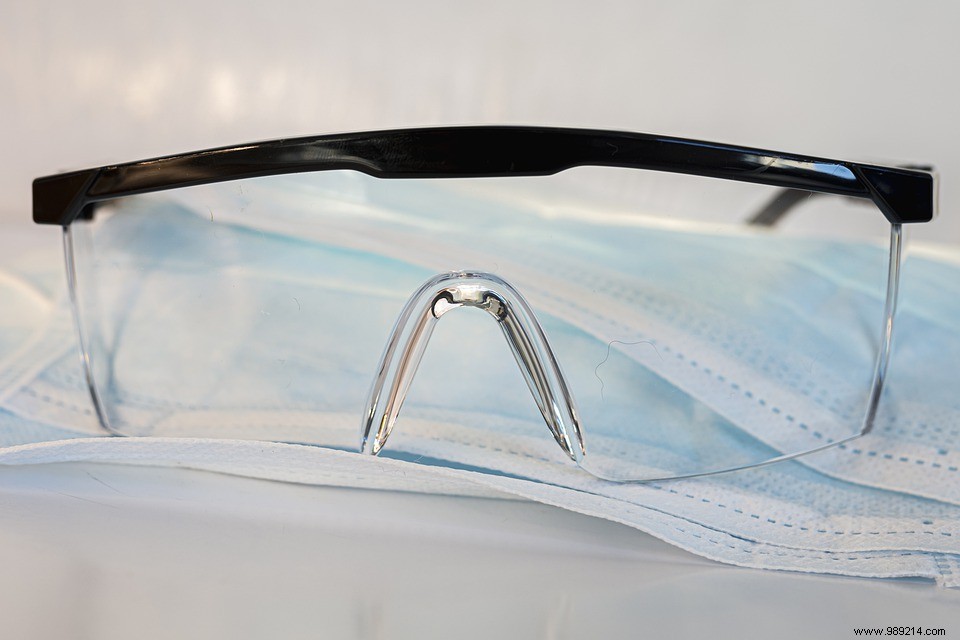
The study stops short of declaring glasses the primary protective factor but establishes a compelling association. Protective eyewear primarily shields against direct droplet splashes. Experts suggest certain eyewear types could meaningfully cut personal contamination risk, warranting further research to inform targeted measures, especially for vulnerable groups.
Note that goggles differ from visors. In August 2020, U.S. researchers noted visors' benefits alongside masks: greater comfort, unobstructed breathing, and reduced face-touching. Like glasses, visors offer valuable supplementary eye-level defense. However, eye exposure risk lacks precise quantification.
