In France, approximately 20 cadavers are used annually for crash tests—a practice that's legal here and originated in the United States. While accidentology research is crucial, Europe's sole dedicated organization in this field may soon cease operations.
France sees around 2,500 body donations to science each year, primarily for medical training and research. Roughly 1% support a specialized area: accidentology research (biomechanics).
Two decades ago, the European Center for Security Studies and Risk Analysis (CEESAR) established a unique European agreement with the University of Paris-Descartes Body Donation Center. That center shuttered in November 2019 amid reports of undignified body preservation and use conditions. The International Journal of Medicine covered the General Inspectorate of Social Affairs (IGAS) report on June 17, 2020.
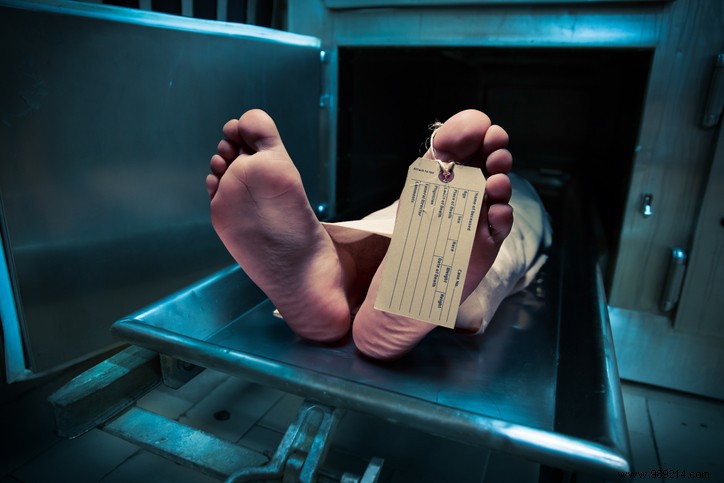
The Paris-Descartes center supplied CEESAR with about 20 bodies annually (from 200 total). CEESAR employs 26 staff, including 9 biomechanics experts now on technical unemployment. Key clients include automakers Renault/PSA and Toyota, plus France's General Directorate of Armaments (DGA). CEESAR delivers advanced modeling studies to refine crash test dummies for greater accuracy.
These tests are indispensable for vehicle safety. Before halting operations, experts analyzed ligament resistance during knee impacts. Past work covered airbag deployment modeling and seatbelt durability.
CEESAR Director Philippe Chrétien warns of potential closure, forcing reliance on the United States for biomechanics research. There, university labs routinely use cadavers, aided by more flexible body donation laws.
U.S. leadership traces to Wayne State University in Detroit, which conducted pioneering tests in the late 1930s to study human body responses in collisions—data unavailable at the time, with no suitable testing devices.
