Did you know that 75% of infectious diseases originate from animals? A landmark study in Nature reveals how decades of human activities have amplified pathogen transmission, particularly through habitat conversion and land use changes.
The COVID-19 pandemic stems from the animal-derived SARS-CoV-2 coronavirus, spotlighting zoonoses—diseases transmissible from animals to humans, directly or indirectly. While wild nature is often blamed as the primary reservoir, experts from University College London (UCL) argue otherwise.
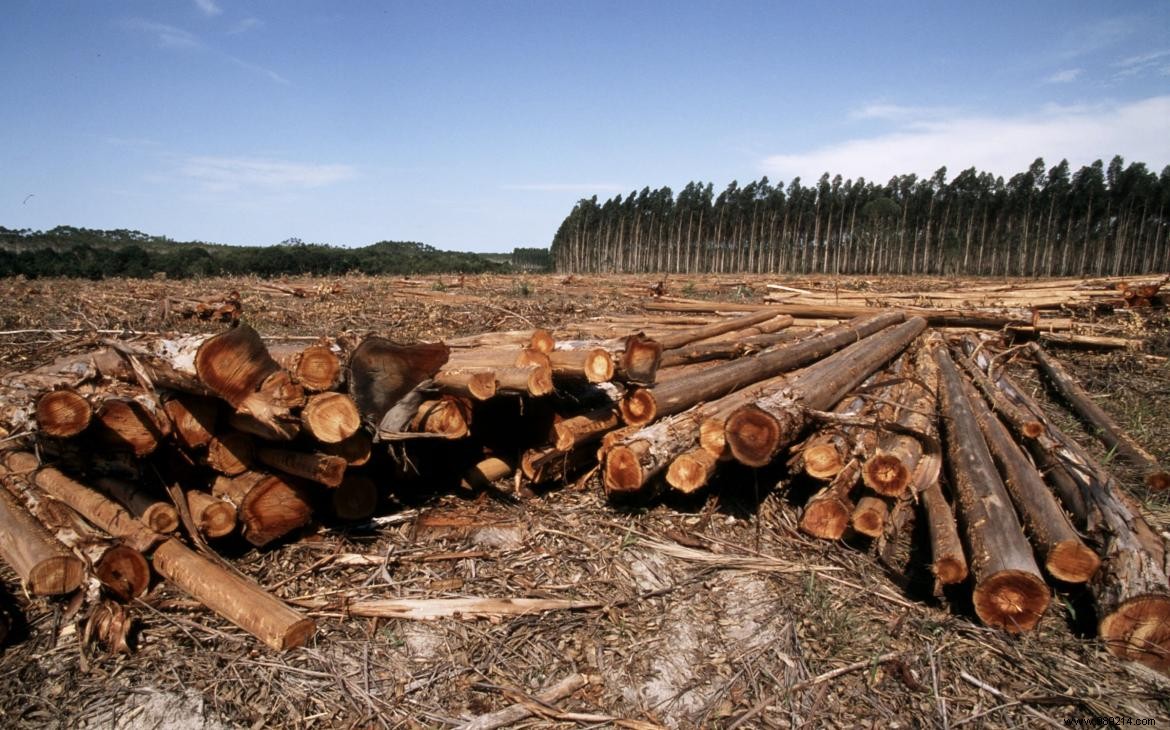
Published in Nature on August 5, the UCL-led study pins the blame on escalating human activities, especially the conversion of pristine forests, grasslands, and deserts into urban or agricultural zones. This leads to biodiversity loss: some species vanish, while pathogen-carrying ones proliferate, increasing spillover risks to humans.
Drawing from the PREDICTS database—with 3.2 million records from 666 studies on land use and species impacts—the researchers identified species most vulnerable to human expansion.
They cross-referenced this with six databases covering 3,883 potential vertebrate hosts for 5,694 pathogens, quantifying spillover risks.
Findings show highest dangers in heavily modified landscapes, where at-risk species and pathogens abound. Beyond climate change, the study stresses halting habitat destruction and safeguarding natural areas as urgent priorities for global health.
