No matter the symptoms, people often turn to the web for quick answers and self-diagnosis. Yet, a recent Australian study highlights the unreliability of these online resources.
Headaches, rashes, and other symptoms can spark anxiety, prompting many to bypass waiting for a doctor's appointment. Instead, they search online via platforms like Google, Yahoo, Ask, Search Encrypt, and Bing. Researchers from Edith Cowan University in Australia examined this trend in a study published in the Medical Journal of Australia on May 11, 2020. Their findings? Only 36% of online diagnoses were accurate.
The team analyzed 36 platforms, running 1,170 tests across varied scenarios. While 36% hit the mark diagnostically, 49% offered solid guidance on seeking professional help. Still, these sites fell short in about two-thirds of cases, with even correct diagnoses sometimes paired with flawed advice.
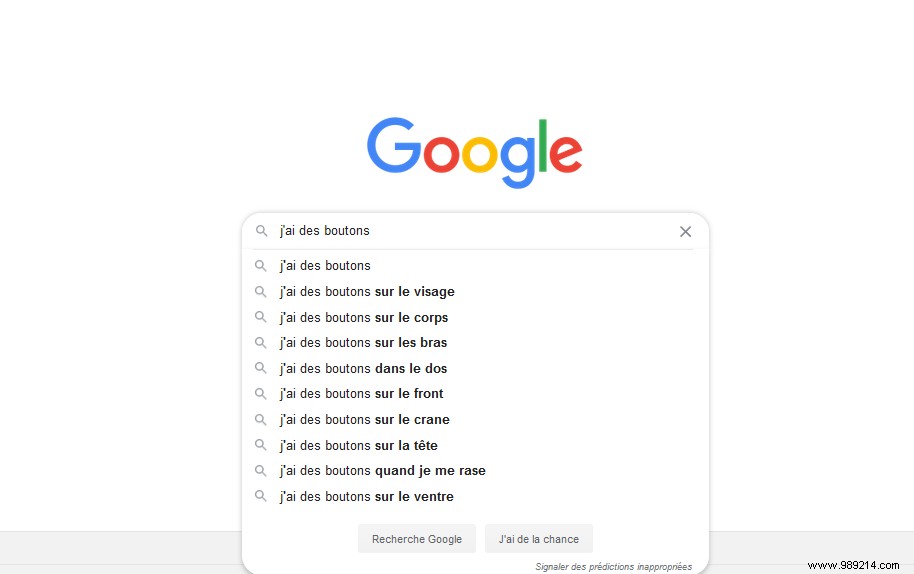
This raises concerns, as Google handles roughly 70,000 health-related searches per minute. The study notes 40% of Australians self-medicate online, while a 2013 Ifop poll cited by Sciences et Avenir found 74% of French internet users search health info—even without symptoms.
Lead researcher Michella Hill warns of potential dangers. Online tools lack patients' full medical histories, risking missed serious conditions or false alarms that spark unnecessary panic, self-medication, or incorrect dosages. True self-medication carries similar hazards.
A 2018 British study by Bupa UK echoed this, revealing 57% of health searches led users to wrongly suspect cancer.
