Mushrooms rank among top superfoods, alongside fish, sweet potatoes, nuts, and garlic. A landmark study from Penn State researchers confirms their role in cancer prevention, recommending daily consumption regardless of variety.
Published in Advances in Nutrition on March 21, 2021, this research from Pennsylvania State University School of Medicine draws from a meta-analysis of studies spanning 1966 to 2020, involving 19,500 cancer patients. The findings show that daily mushroom consumption—about 18g, or two medium mushrooms—is associated with a 45% reduced risk of cancer compared to non-consumers. Packed with vitamins, nutrients, and antioxidants, mushrooms support overall health.
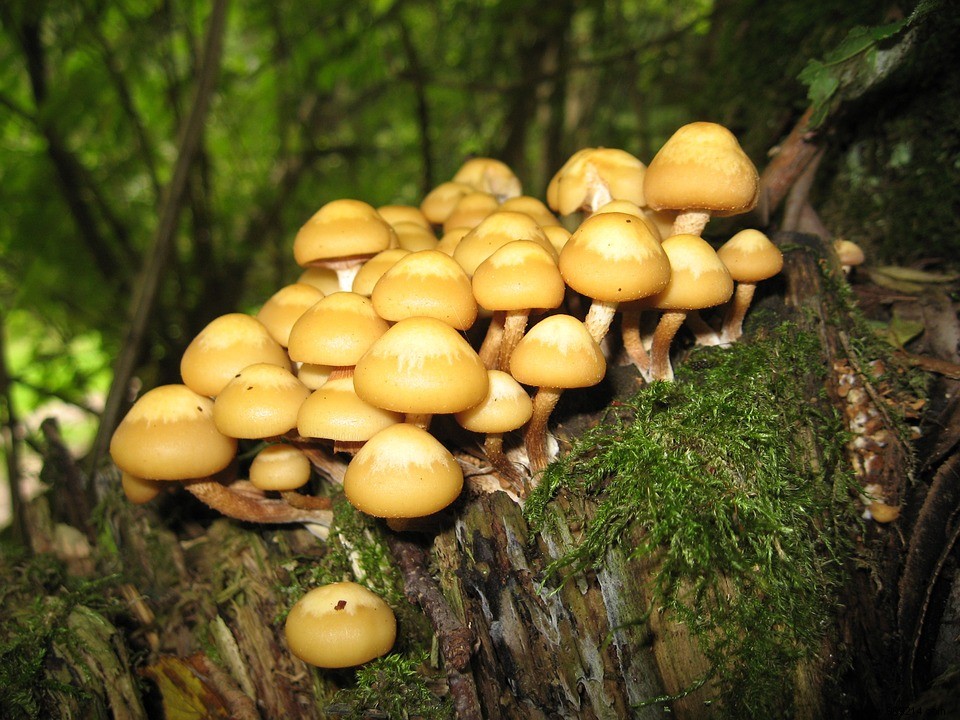
The analysis doesn't differentiate by mushroom type, though some like ceps, morels, chanterelles, shiitake, oyster, and button mushrooms are richer in ergothioneine, a potent antioxidant. Whether store-bought or foraged, they're beneficial—but beginners should consult experts or field guides, not apps alone, when picking wild varieties.
“Mushrooms are the highest dietary source of ergothioneine, which is a unique and powerful antioxidant and cell protector,” explains lead author Djibril M. Ba, an epidemiologist.
The strongest link was observed for breast cancer, likely due to available data focusing on it. Broader studies are essential to confirm effects across cancer types and pinpoint mechanisms.
