A groundbreaking study from U.S. researchers shows that staying up all night can boost anxiety levels by 30%. In contrast, quality sleep—especially deep sleep—can significantly reduce it.
Published in Nature Human Behaviour on November 4, 2019, this University of California, Berkeley study involved 18 volunteers. Researchers used MRIs and sleep polygraphs to examine how different sleep stages affect anxiety. Participants viewed emotional video clips after either a sleepless night or a full night's rest.
After sleep deprivation, the medial prefrontal cortex—key for regulating anxiety—shows reduced activity. Meanwhile, emotional brain regions become hyperactive. A good night's sleep restores prefrontal function, particularly through deep sleep, effectively lowering anxiety levels.
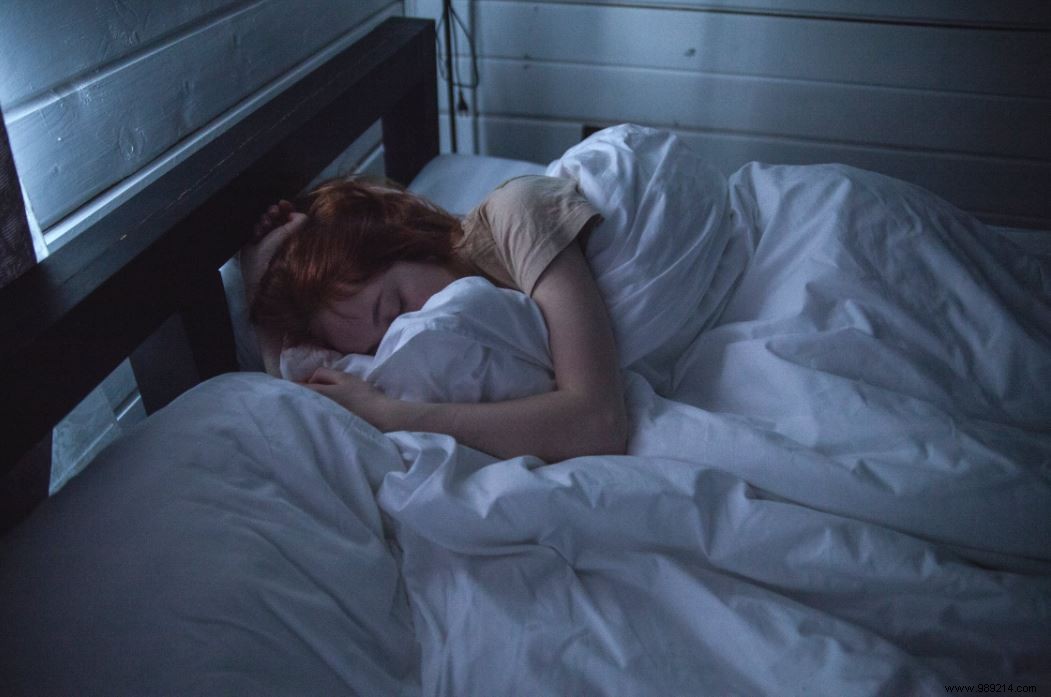
Lead researcher Matthew Walker, a renowned neuroscientist and sleep expert, found anxiety rises by 30% after an all-nighter. He highlights deep sleep's novel role: it reorganizes brain connections overnight, functioning as a natural anxiolytic—an anxiety suppressant without medication side effects.
This suggests deep sleep could treat anxiety disorders, affecting over 250 million people worldwide per WHO 2017 data. A 2018 Japanese study also noted lavender's aroma mimics drug-based anxiolytics, paving the way for gentler treatments free of side effects like dizziness.
Source
Related Articles:
