From 2012 to 2019, a puzzling bacterial illness struck New Caledonia, infecting 15 people—four of whom died. All had recent contact with bats. A dedicated local research team is now unraveling its secrets.
Bats have been thrust into the spotlight since the COVID-19 pandemic, often linked to coronaviruses—a connection backed by science. Studies show that just two major bat families host nearly 50% of known coronaviruses.
As reported by Ouest-France on May 22, 2020, the French Ministry of Foreign Affairs' Pacific Fund granted €25,000 to a multidisciplinary team in New Caledonia. Their mission: investigate a novel bat-associated disease that emerged in the region between 2012 and 2019.
Patients suffered fevers, blood abnormalities, significant weight loss, and enlarged spleens. In 2017, New Caledonia's Center Hospitalier Territorial de Magenta sent samples to the Institut Hospitalo-Universitaire (IHU) in Marseille, led by renowned microbiologist Didier Raoult.
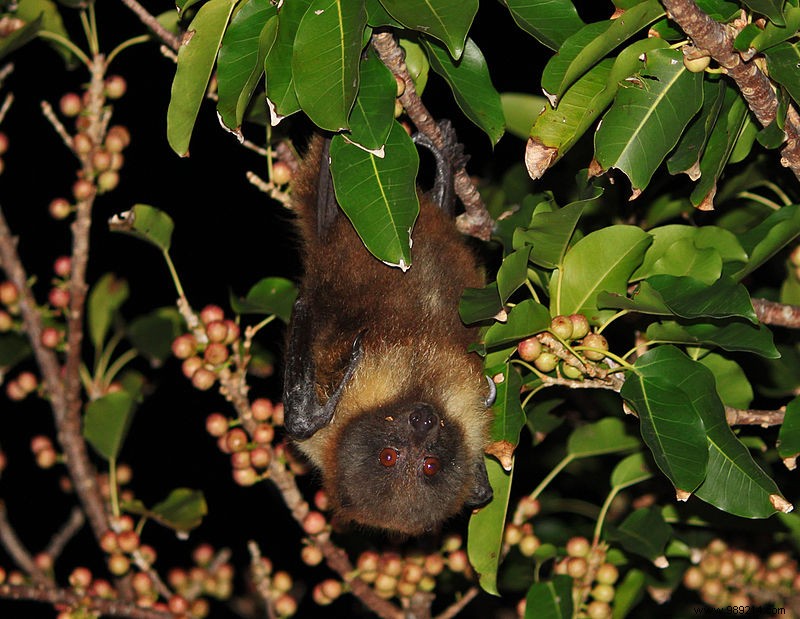
Analysis pinpointed the culprit: Mycoplasma haemohominis, a bacterium previously detected in fruit bats by the Marseille team. The illness was named haemolytic fever.
Fruit bats are a prized game species in the region. Affected individuals had hunted or consumed them about three weeks before symptoms appeared.
While the Magenta hospital center has developed a PCR diagnostic test, researchers are pushing further to understand transmission modes. Plans include sampling in other Pacific areas like Vanuatu and Wallis and Futuna, where fruit bats thrive and other bacterial reservoirs may exist. The team aims to test up to 200 fruit bats comprehensively.
