Deezer's comprehensive ASMR survey highlights significant relaxation benefits, with one-third of French respondents reporting reduced stress. Insights from 12,000 participants across six countries reveal varied global reactions.
Autonomous Sensory Meridian Response (ASMR)—think whispers, tapping, or gentle visual cues—has exploded online. While not universally loved, Deezer's research shows it's a go-to for many seeking calm. Notably, chewing and mouth sounds top the list of dislikes for about half of French participants.
Published on their blog July 8, 2021, Deezer surveyed 12,000 people in Germany, Brazil, the US, France, Mexico, and the UK to explore sensory reactions to ASMR sounds. In France, responses were diverse.
Top benefits cited by French listeners: relaxation (33%) and stress reduction (30%). Among Gen Z (born 1995-2010), 28% tune in purely for fun, and nearly half prefer female voices.
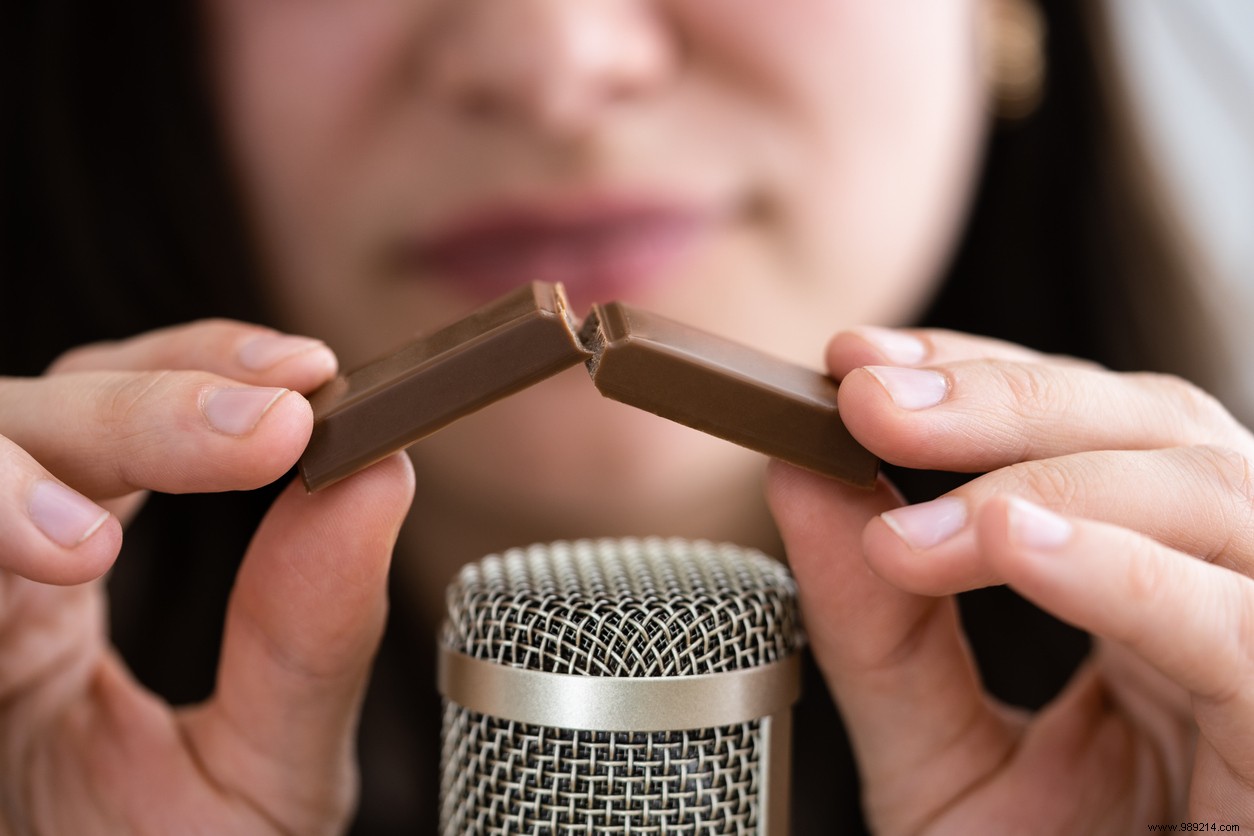
ASMR isn't for everyone—11% of French respondents felt embarrassed or bored, and 19% irritated. Age plays a key role: 28% of baby boomers (born 1945-1965) dislike it, versus just 15% of Gen Z.
Dr. Craig Richard, founder of ASMR University, explains that ASMR triggers mirror those of oxytocin, the 'love hormone.' Genetics and age influence responses, making younger groups more receptive.
Global highlights: 29% of Brazilians find ASMR enjoyable; 20% of Mexicans call it 'intriguing.' Germans (18%) and Americans (14%) deem it 'strange,' while 20% of Brits, like the French, find it irritating.
