Taiwan, neighboring China, has managed the COVID-19 pandemic with remarkable success. Without lockdowns, it maintains one of Asia's lowest infection rates. Now, scientists there have identified a monoclonal antibody that blocks the virus from entering human cells.
Excluded from the World Health Organization (WHO), Taiwan was the first to alert it of the looming global pandemic. Domestically, it excelled with swift border closures, strict protocols, and widespread adherence to precautions. By late May 2020, Taiwan reported just 441 cases and 7 deaths. Even better, no new cases emerged for a full month.
Amid geopolitical tensions with China, Taiwan sets a global example. It donated millions of surgical masks to nations like France. The country also invests heavily in COVID-19 research, targeting effective treatments.
A May 28, 2020, report from Radio Taiwan International highlights work at Chang Gung University in Taoyuan. Researchers there developed a monoclonal antibody that prevents SARS-CoV-2 entry into the body, achieving 90% to 98% inhibition rates. This builds on their recent isolation of 25 monoclonal antibodies from COVID-19 patients.
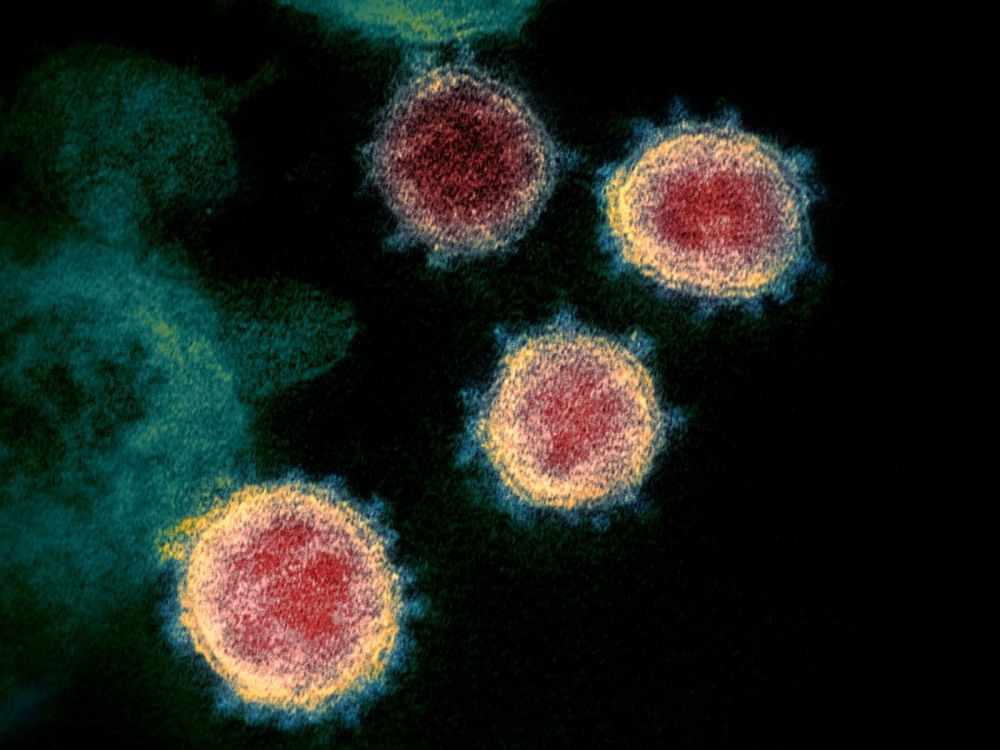
The antibody shows strong inhibition across coronavirus strains from Wuhan, the United States, Europe, and Egypt. Study leaders deem it the top candidate for drug development.
Shih Shin Ru, director of the Emerging Virus Infections Research Center at Chang Gung University, notes that antibody-based drugs are safer, derived from the body's natural responses, unlike traditional pharmaceuticals that carry toxicity risks.
The team plans to license this technology for large-scale production trials. If successful, initial drugs could reach the market by year's end.
