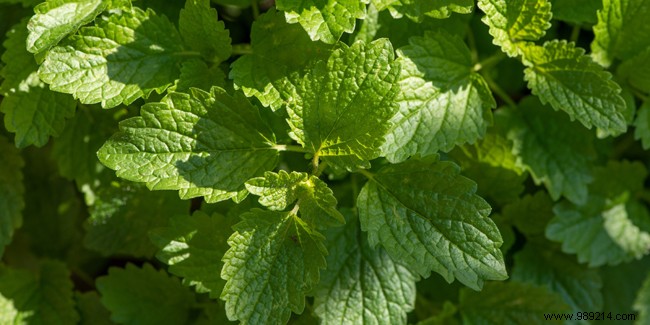
Lemon balm (Melissa officinalis), a perennial herb from the Lamiaceae family native to the Mediterranean, emits a refreshing lemon scent. Often confused with lemongrass, it's affectionately called bee pepper or French tea. Growing in dense tufts, it features upright, hairy stems with oval, serrated leaves marked by prominent veins, delicate white or pink flowers, and small brown fruits. Valued in herbal medicine for centuries, lemon balm offers therapeutic benefits and thrives easily in gardens.
The leaves and flowering tops of lemon balm are the primary parts utilized for their medicinal properties.
Renowned for easing stress and mild digestive issues, lemon balm provides quick relief from:
Its flowers support liver secretion and bile flow. If symptoms persist beyond 2-3 days, consult a healthcare professional promptly.
For minor sleep disturbances, lemon balm helps improve:
This potent oil boasts antifungal and antibacterial properties, effectively soothing:
To unwind before bed, brew an infusion: Steep 5 grams of fresh or dried leaves in 1 liter of boiling water for 10 minutes. Enjoy a cup at noon and after dinner. Fresh leaves retain the best aroma over dried ones.
Prepare by simmering a large spoonful of leaves in 20 cl of cold water for 3 minutes. Cover, steep 10 minutes, strain, and sip a cup after main meals. Add to bathwater to ease menstrual pain thanks to its antispasmodic effects.
Available as 250 mg capsules (4 daily: 2 at noon, 2 evening); EPS extract (50 drops in water, 3x/day post-meals); creams/lotions for cold sores to reduce symptoms and speed healing.
Lemon balm wine: Macerate 50g fresh leaves in 1L white wine for 2 days; take 2 tablespoons as needed.
Hydroalcoholic extract: 30 drops in water, morning and evening, for bowel spasms or painful periods. Pair with passionflower, valerian, or hawthorn for stress and sleep.
Essential oil: Inhale a drop on a handkerchief post-emotional shock for calming.
Family remedy water: Macerate 50g fresh leaves in 1L white brandy for 15 days, add 15g lemon zest, 5g cinnamon, 15g cilantro, 10g cloves, 10g angelica, 15g nutmeg. Strain; take 1 teaspoon for discomfort.
Easily cultivated in gardens or pots, it prefers sun to partial shade and tolerates poor, rocky soil. Opt for variegated yellow-leaf varieties for pots indoors.
Avoid prolonged use, as it may reduce sexual gland activity. Not for hypothyroidism, pregnancy, lactation, high blood pressure, or children under 12. Limit to 3-4 week cures annually, ideally under medical guidance.
Its sedative effects can impair alertness or amplify certain medications—consult a doctor if on meds.
Incorporate into cuisine: Young shoots in salads, with fish, or desserts for a zesty flavor in dishes and drinks.
