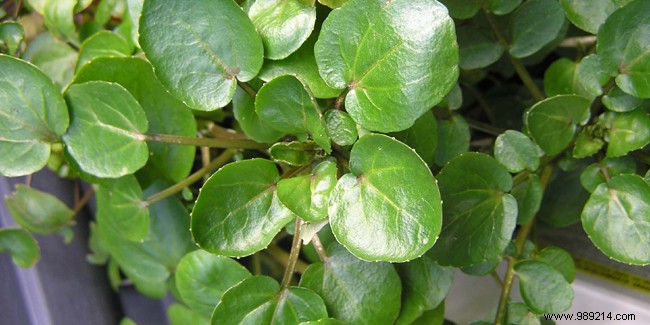
Watercress, a cruciferous aquatic plant from the dicot family and nicknamed 'water salad,' has been cultivated in flowing streams since the 19th century. Previously foraged wild, it was prized for its peppery flavor and medicinal uses. Today, this nutrient-dense green shines in salads and soups. Varieties like true watercress (Nasturtium officinale) and garden cress (Lepidium sativum) deliver impressive health perks backed by nutritional science.
Watercress and garden cress are packed with essential micronutrients that support overall health. Key vitamins and minerals include:
Garden cress and watercress boast potent antioxidant activity, aid digestion, support eye health, and provide vitamins plus bioavailable calcium. Raw watercress offers just 22 kcal per 100g, while raw garden cress has 32 kcal per 100g—ideal for calorie-conscious diets.
Isothiocyanates in watercress slow cancer growth, including lung cancer in smokers by blocking cigarette smoke carcinogens. As juice, it protects against colorectal cancer; eaten raw regularly, it reduces DNA damage in lymphocytes.
Research highlights zeaxanthin and lutein in watercress, carotenoids that accumulate in the eye's macula to lower risks of cataracts, retinitis pigmentosa, and macular degeneration by safeguarding the retina.
Like other cruciferous veggies (e.g., cabbage), watercress contains glucosinolates—four times higher in garden cress. These convert to active compounds when chopped, chewed, or digested, helping curb certain cancers.
Carotenoids and flavonoids give watercress and garden cress strong antioxidant effects, shielding cells from damage. They may prevent cancers (breast, lung), cardiovascular disease, age-related conditions, and hypertension. Note: Studies are promising but limited and sometimes conflicting—consult your doctor for personalized advice.
Edible garden cress seeds, used in Indian cuisine, offer diuretic, aphrodisiac, tonic, and antidiarrheal benefits. Rich in essential fatty acids, protein, calcium, potassium, phosphorus, iron, and insoluble fiber, they make a smart supplemental addition in moderation over short periods.
For calcium needs, watercress provides highly bioavailable calcium—better absorbed than from milk. Incorporating it into meals enhances daily intake effectively.
Available September to May, choose vibrant bunches and enjoy raw for max benefits, or lightly steam/sauté to preserve nutrients. It complements a balanced diet for optimal health.
