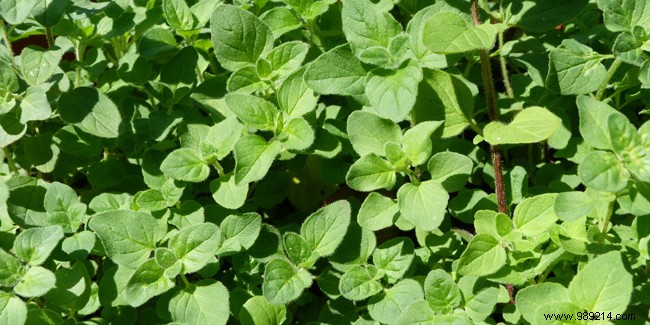
Marjoram, a perennial herb originating from the eastern steppes, thrives in sunny gardens worldwide. Belonging to the Lamiaceae family, it loves heat but dislikes cold and excess moisture. Known since ancient times for its medicinal virtues, marjoram offers natural support for everyday health concerns.
Ancient Greek herbalists used marjoram to ease rheumatism, blending it into ointments with sage, thyme, honey, and basil. Egyptians incorporated it in embalming practices and valued it as an expectorant and sedative for coughs. It was also prized for digestive aid.
In both herbal medicine and cooking, marjoram's flowering tops and leaves are utilized.
Marjoram excels in promoting calm during stress or excitability. It stimulates appetite, eases digestive issues, and helps with sleep disturbances, joint pain, and tension. These benefits provide supportive relief—always consult a healthcare professional for any health condition.
Rich in antioxidants, marjoram combats harmful free radicals. It features phenolic acids such as:
It also supplies essential nutrients including:
Marjoram oil contains terpenes, esters, camphor, borneol, and sabinene, offering antibacterial effects, artery dilation, increased vitality, stress relief, and spasm reduction. Studies confirm its efficacy against bacteria, viruses like herpes, and more. As a potent concentrate, use only under professional guidance. Avoid during pregnancy, in young children, or in high doses to prevent sleep interference. Consult your doctor or pharmacist.
For colds, headaches, or post-chill aches, brew an infusion: Steep a large spoonful of fresh or dried marjoram in boiling water for 10 minutes. Drink three times daily. If symptoms persist beyond three days, see a doctor.
Complement sinus congestion treatment with inhalations three times daily. Add four large spoonfuls of fresh or dried marjoram to boiling water in a bowl. Inhale steam, using a towel over your head if needed.
Crush 120g fresh marjoram with olive or almond oil; seal in a jar and expose to sun for two weeks, then strain. Repeat with fresh marjoram and strain again. Massage into sore joints for relief.
Don't confuse marjoram with oregano. Oregano has reddish stems, purplish flowers, and pointier leaves, versus marjoram's small, round ones. Oregano suits cooking; marjoram shines in herbal remedies.
Those on blood thinners should consult a doctor due to vitamin K content. It may cause drowsiness—avoid driving. Essential oil is unsuitable for pregnant/breastfeeding women or children under seven.
