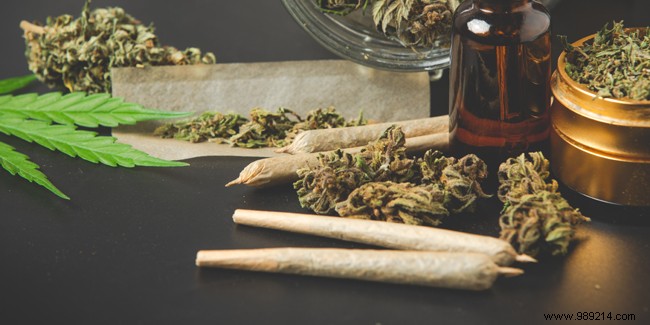
That familiar aroma wafting through a public park or from a group of teens with slightly reddened eyes—firecrackers, cigarettes, or perhaps joints? In France, where marijuana remains strictly prohibited despite widespread knowledge of its use across social classes, public health policies have struggled. France's tough stance, among Europe's strictest, hasn't curbed consumption; young people consistently lead Europe in cannabis use year after year.
But what about seniors? Baby boomers, born post-World War II and now the core of the senior population, helped popularize cannabis in the 1960s through hippie and beatnik culture. Though not the majority, their influence lingers. Is cannabis use among older adults a genuine trend?
In the U.S., where medical cannabis is legal in most states and recreational use in 18 states plus Washington D.C., usage among those 65+ has surged—nearly doubling in recent years. Common prescriptions target anxiety and depression, issues that intensify with age due to retirement, loss of loved ones, declining autonomy, and isolation. While some thrive in later years, others face significant mental health challenges.
Seniors often turn to cannabis for relief from chronic pain, sleep disorders, and mood issues—ailments more prevalent in older age. Many report it as a game-changer after exhausting traditional pharmaceuticals. Emerging research also suggests neuroprotective effects, potentially slowing cognitive decline and aiding conditions like Alzheimer's and Parkinson's.
Cannabis's recreational appeal and natural origins make it preferable to synthetic drugs for many. Humans have long used psychoactive plants for pleasure and relief—why not combine both? Users often note improved libido, a common concern with aging.
While unlikely to see cannabis gardens in nursing homes or residents enjoying joints or space cakes, evidence points to benefits for seniors' health and well-being. Moderation is key; problematic use must be addressed. Compared to legal substances like alcohol and tobacco, cannabis carries a lower personal and societal cost.
Cannabis hasn't always enjoyed positive press. In the U.S., early 20th-century propaganda linked it to vices, racism, and minorities—similar to anti-opium laws against Chinese immigrants (1875) or crack crackdowns on Black communities. Drug wars funded bureaucracies and rallied voters, often at the expense of marginalized groups.
Shifts are evident: Portugal's decriminalization succeeded, and the U.S. has softened on cannabis. In France, despite conservative politics, public support grows for legalization or decriminalization. CBD shops proliferate, normalizing hemp-derived products and paving the way for broader acceptance—though inequities persist, like harsh sentences for past sellers now turned entrepreneurs.
Usage among seniors remains low: about 10% of 55-64-year-olds report lifetime use, versus over 25% of youth. It correlates with higher education, socioeconomic status, and men over women—perhaps reflecting access or attitudes. With youth trends accelerating, senior use is poised to rise in coming decades.
