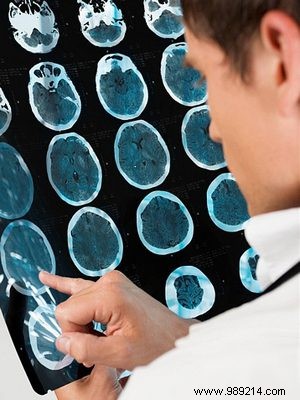
After a stroke, approximately 70% of survivors experience ongoing challenges with cognition, emotions, behavior, or language.
In the Netherlands, more than 100 people suffer a stroke every day, leading to hospitalization. While three-quarters survive, the consequences are often profound and life-altering.
"After a stroke, you see people change. They develop a different temperament and personality. It's challenging for family and friends to accept that their loved one—a spouse, parent, or child—is no longer the same person," explains Peter Schoof, director of the Brain Foundation.
During a stroke, critical brain areas are deprived of blood flow, which can cause lasting damage and explain these personality shifts.
Common Consequences
Stroke effects vary widely, from mental slowness, poor concentration, forgetfulness, and coordination issues to significant character changes. Severity depends on the extent of brain damage, as well as factors like age and overall health.
This year, the Brain Foundation is launching a major research program on stroke recovery to improve patient outcomes. Download the brochure Life After a Stroke from www.hersenstichting.nl.
