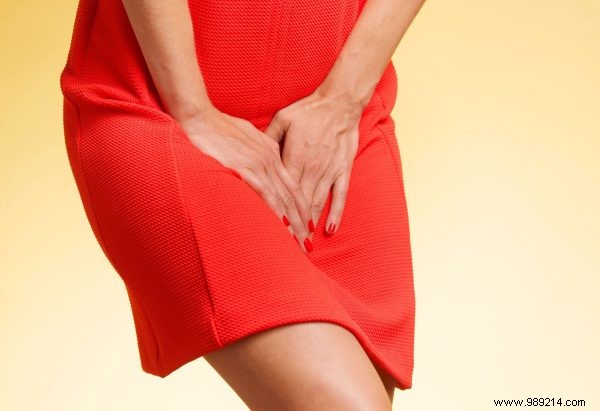
We talk openly about relationships, daily life, and adventures, but certain topics remain taboo due to discomfort or fear of judgment. Incontinence is one of them. In the Netherlands, an estimated 700,000 women experience it, with higher risks during and after pregnancy or in later years. As experts in continence care, we'll explore what incontinence is and why there's no need for shame.
Incontinence occurs when someone loses control over their bladder or bowel sphincters, leading to unintentional leakage of urine or stool. This can stem from pregnancy, aging, neurological issues, or surgery, but it's fundamentally a malfunction of normal body functions.
Currently, around 1.5 million people in the Netherlands—men and women alike—live with incontinence. Many feel ashamed, but that's unnecessary. With the right support, such as quality incontinence products from Abena.nl, lives can improve dramatically.
Several forms of incontinence affect people differently. Here are the seven main types:
Incontinence deserves professional attention. Overcoming shame to consult your doctor is a crucial step for your health. GPs are experienced in managing it, offering treatments, prescribing aids, or referring you to a urologist or continence nurse.
Incontinence can feel isolating, with worries about odors or embarrassment. But remember: 1.5 million others share this. You're not alone, and it's beyond your control. Talking about it opens doors to solutions and support. Everyone has imperfections—embracing yours leads to a happier life. Seek help, and thank yourself later.
This is a sponsored article
