It's been three months since COVID-19 first emerged in Wuhan, China. The pandemic now impacts countries worldwide. Despite extensive daily research, many aspects of the virus remain unclear. Officials report statistics each evening. From February 15 to April 2, 2020, 4,042 people died in France, excluding non-hospital deaths. Meanwhile, 9,444 patients were discharged cured from hospitals, with many more recovering at home. But what do medical experts know about potential lasting effects after recovery?
Recovery is declared when two PCR tests, taken 48 hours apart, return negative. No clinical symptoms and normal chest X-rays also factor in, though they aren't sufficient alone. Lab confirmation is essential, especially since some cases are asymptomatic.
Pulmonologists and other specialists confirm that those with mild symptoms experience no sequelae. Lingering scan abnormalities may occur but resolve quickly.
Studies from the 2003 SARS outbreak offer reassurance, yet must be interpreted cautiously due to differences between the viruses. Firm conclusions on COVID-19 remission remain premature.
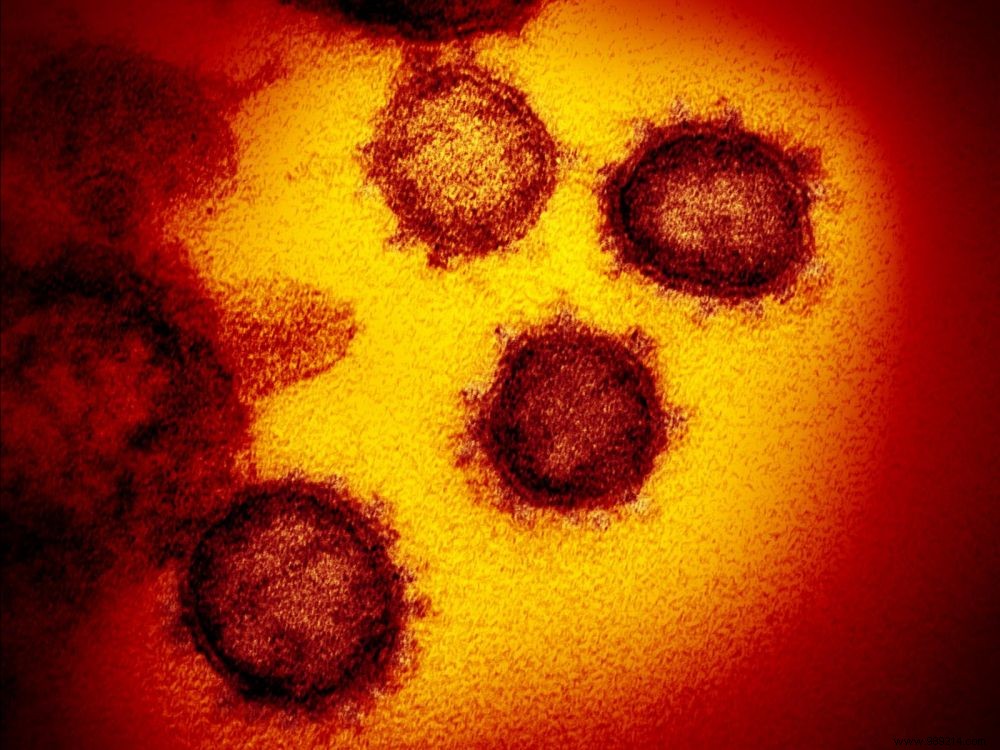
Like the flu, recovery takes days, often with temporary fatigue as the body fully heals. As a pneumonia-like illness, COVID-19 affects the lungs, but most patients benefit from strong lung regeneration.
In severe ICU cases with extensive lung damage, sequelae may occur. Patients may require supplemental oxygen to support complete recovery after weeks of ventilation.
Intubation-related issues, such as throat inflammation, are minor—typically just persistent irritation as tracheal tissues heal.
Rare cases worldwide show positive tests after official recovery. Experts propose explanations like trace viral remnants triggering tests, not true reinfection. These instances are extremely rare.
