A stroke is a medical emergency that disrupts blood flow to the brain, our body's command center. Quick action minimizes brain damage and long-term effects. Modern treatments and rehabilitation help most survivors regain near-normal lives, though lifestyle changes are often essential.
Strokes occur when blood flow to the brain is blocked by a clot or ruptured vessel, causing brain cell damage or death. Rapid medical intervention limits harm.
As the hub of cognitive, language, movement, and emotional functions, brain damage from stroke can have wide-ranging impacts.
In France, nearly 150,000 strokes happen yearly, claiming 30,000 lives. Survivors face varying sequelae based on stroke type—ischaemic (85% of cases) or haemorrhagic—the affected brain area, damage extent, blood flow interruption duration, and treatment speed.
Sequelae range from mild and temporary to severe and lifelong. Per France's National Institute of Health and Medical Research (Inserm), about two-thirds of survivors regain functional independence, and three-quarters return to work.
Severe outcomes include hemiplegia—paralysis of one body side, impairing walking, arm, or leg control—and aphasia, partial or total loss of speech or language comprehension, often with repetitive speech. These disrupt daily communication, reading, TV viewing, and more.
Less visible issues like profound fatigue, concentration difficulties, anxiety, or irritability can be equally challenging. Notably, 30% of survivors experience depression within a year.
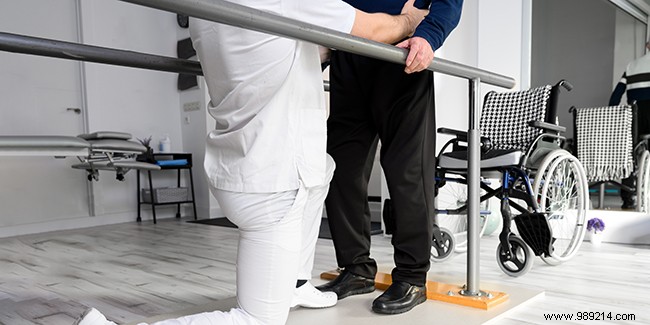
Rehabilitation starts as soon as medically safe, often a demanding but vital process, especially for older patients.
Motor rehab prevents complications from paralysis and helps relearn walking, hand use, and daily tasks for maximum autonomy.
Speech therapy aids aphasia recovery; about one-third regain near-normal communication.
Occupational therapists assist with relearning essentials like dressing, cooking, or driving, fostering independence despite lasting impairments.
Stroke survivors face higher risks of recurrence or heart disease, so adopt heart-healthy habits: balanced diet to prevent obesity, regular exercise, smoking cessation.
Monitor key risks—cholesterol, blood sugar, blood pressure—regularly to safeguard against future events.
