In France, nearly one in two adults is overweight, with obesity rates climbing to 17%—higher than the global 13%. In the US, the figure reaches 42%, prompting the WHO to declare an obesity epidemic. Achieving lasting weight loss demands discipline, balanced nutrition, and consistent exercise, often challenging physical and mental resilience. Could connected devices and emerging technologies provide the support needed for better results? A landmark study suggests yes, linking digital tools to more effective weight management.
Published February 24, 2021, in Obesity, this Stanford University-led study—conducted by postdoctoral researcher Michele L. Patel—addressed a key gap: "Digital health tools have proliferated over the past decade." It was the first to rigorously assess how effectively these tools promote weight loss. Reviewing 39 randomized trials from January 2009 to September 2019 involving overweight or obese adults, the analysis covered nearly 70 digital self-monitoring methods.
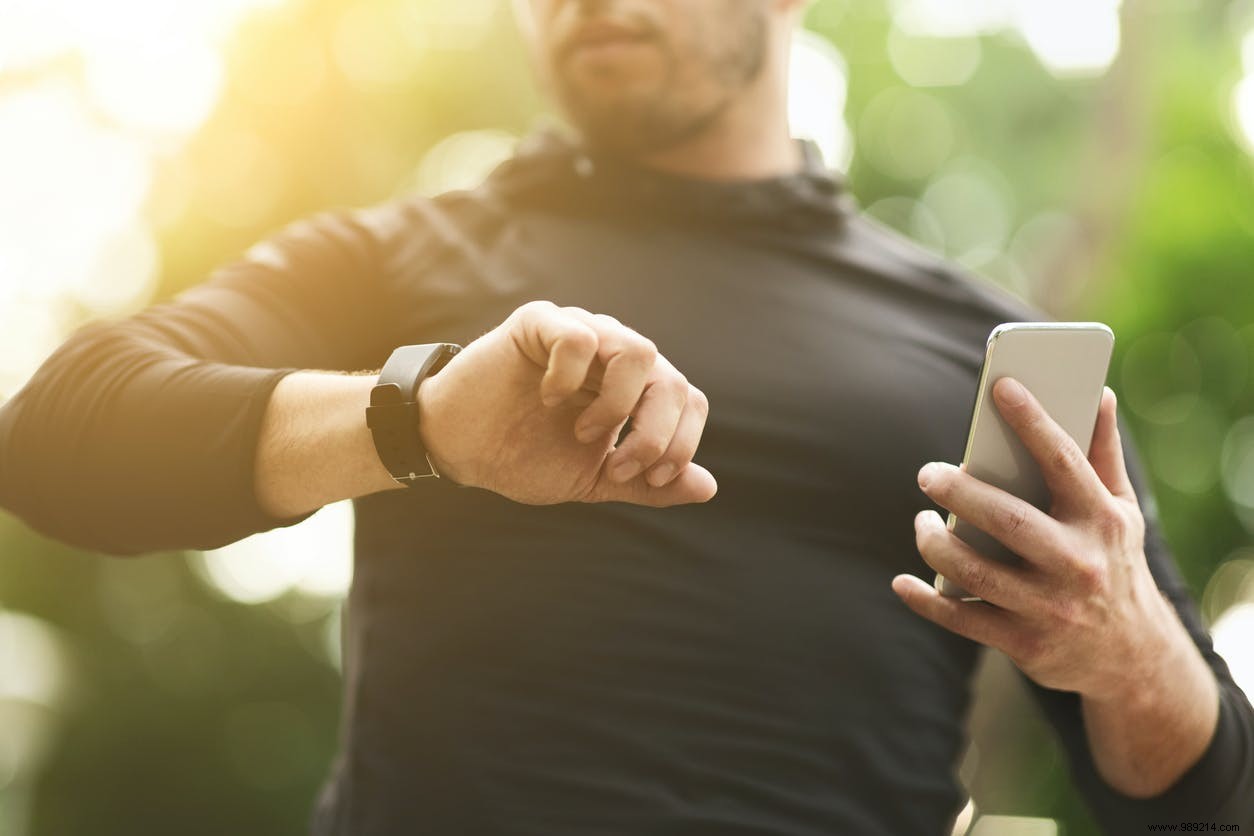
Tools included websites (66%), mobile apps (33%), wearables like smartwatches (11%), connected scales (12%), and text messages (12%). Strikingly, in over 70% of cases, using these for tracking food intake, physical activity, and weight led to significant loss—outperforming traditional paper logs. Patel attributes this to their high portability for anytime access, faster logging, and user-friendly design. Many integrate comprehensive nutritional databases and provide personalized feedback via wearables and scales, boosting user engagement.

Yet, about 80% of dieters regain lost weight within years. The study highlights self-monitoring's role in maintenance but notes challenges. Kathryn M. Ross, PhD from the University of Florida (not involved), emphasizes sustaining long-term engagement as motivation fades post-novelty. While concluding that "more frequent digital self-monitoring correlates with greater weight loss," it qualifies: effectiveness wanes over time due to declining commitment or slower progress.
