At the close of 2020, the UK became the first nation to authorize the Oxford-AstraZeneca COVID-19 vaccine, paving the way for widespread vaccination. This affordable option, with simpler storage needs, holds significant promise for resource-limited countries.
Since early December 2020, the UK has relied on the Pfizer vaccine for its immunization drive. Now, it has greenlit the highly anticipated Oxford-AstraZeneca vaccine as the second approved option. The government has secured 100 million doses to protect around 50 million people with two doses each. Rollout is set to begin shortly.
This development has drawn global interest, with pre-orders from countries like Australia (50 million doses) and Canada (20 million). AstraZeneca reports commitments for a staggering 2.5 billion doses worldwide. Efficacy data evolved from initial 90% reports to 62%, settling at 70% overall.
Michael Head, a global health expert at the University of Southampton (UK), highlighted its potential in a January 5, 2021, The Conversation article. He noted it as a potential game-changer over Pfizer, crediting the UK's swift authorization.
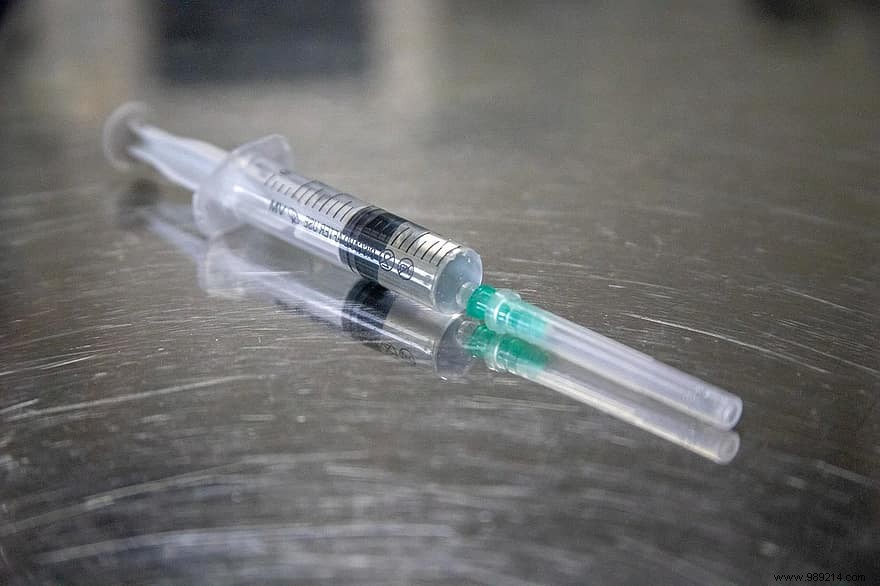
Pfizer faces production bottlenecks and requires ultra-cold storage at -60 to -80°C, creating logistical hurdles in transport and deployment—as seen in recent German delays.
Diversifying vaccines is crucial to meet surging demand. The UK is prioritizing Oxford-AstraZeneca to achieve broad coverage, though questions linger on efficacy in older adults and the impact of spacing doses farther apart, as AstraZeneca suggested.
On December 30, the Joint Committee on Vaccination and Immunization (JCVI) recommended an initial single dose for 70% protection, followed by a second after twelve weeks for up to 80%. Requiring storage at just -20°C, it avoids specialized "super-freezers." This, combined with its 2-3 dollar per dose price, makes it ideal for low-income nations struggling with vaccination logistics.
