The Amish, known for their insular lifestyle and rejection of modern technology, faced unique challenges during the COVID-19 crisis. Yet, they mobilized effectively, adhering to social distancing guidelines and even producing essential medical equipment for hospitals.
Originating as an Anabaptist group in Switzerland in 1693, the Amish community now numbers approximately 340,000 members across 31 U.S. states and four Canadian provinces. Typically disconnected from mainstream media, they learned about COVID-19 through restrictive measures like social distancing and lockdowns. As reported by NBC News on April 11, 2020, vital information spread via word of mouth, bypassing the internet and phones they shun.
The pandemic disrupted their close-knit routines, where large religious gatherings and communal work are central. Community leaders urged compliance despite initial resistance, closing schools and churches in many areas.
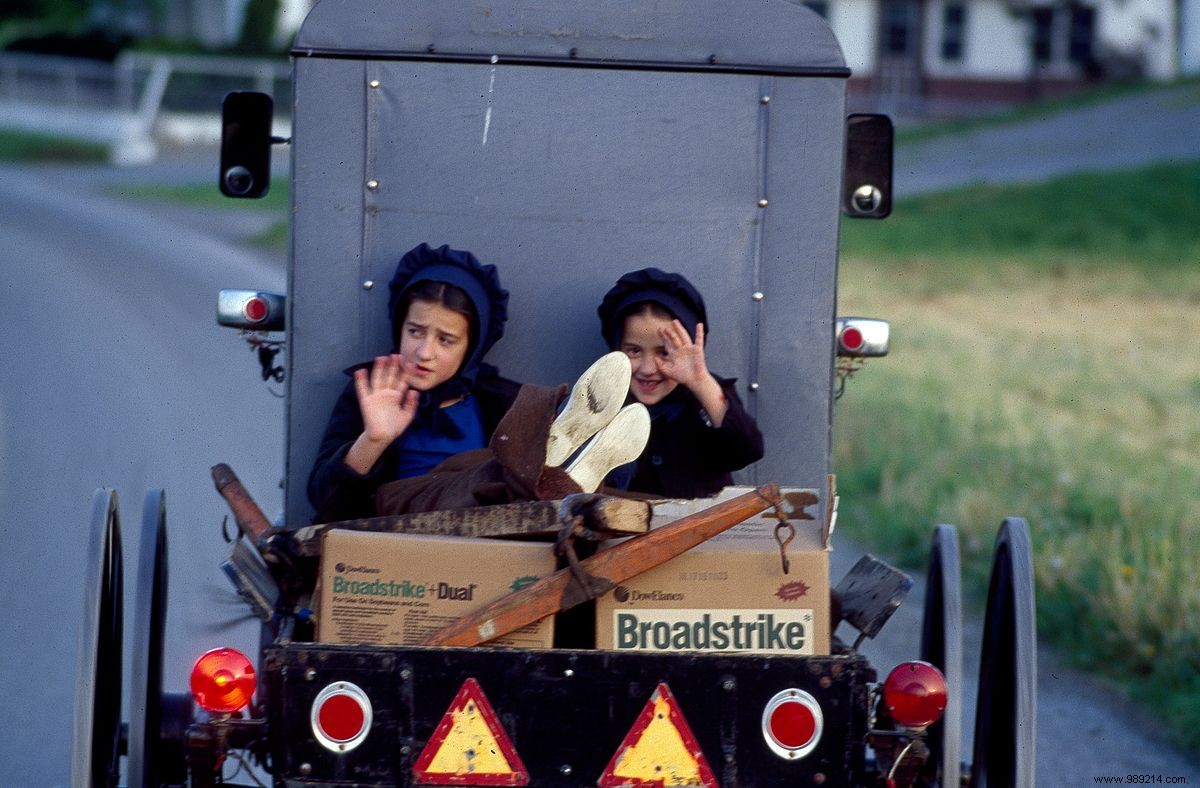
Challenges persisted, however. A New York Times report highlighted Ohio's Amish, where markets and social events continued amid closures elsewhere. In early April, hundreds gathered for a large funeral meal.
No official COVID-19 cases were reported within the Amish, though every state with members saw outbreaks. In Ohio, they stepped up by crafting medical supplies for hospitals, including masks, protective gear, plastic face shields, and wooden dividers.
This mirrors global ingenuity amid equipment shortages, such as Italy's repurposed Decathlon diving masks or Afghanistan's prototype ventilator from auto parts.
