AstraZeneca, in partnership with Oxford University, has announced interim results showing its COVID-19 vaccine candidate, AZD1222, is 70% effective. Here's a detailed look at these Phase III findings and what they mean.
This comes after Moderna's report of 94.5% efficacy on November 16, Pfizer-BioNTech's 95% effectiveness in preventing infections, and Russia's Gamaleya Institute vaccine at 92%. As infectiologist Odile Launay, coordinator of Cochin-Pasteur's clinical investigation center, notes in Le Monde: "In absolute terms, 70% isn't bad—the flu vaccine rarely exceeds that."
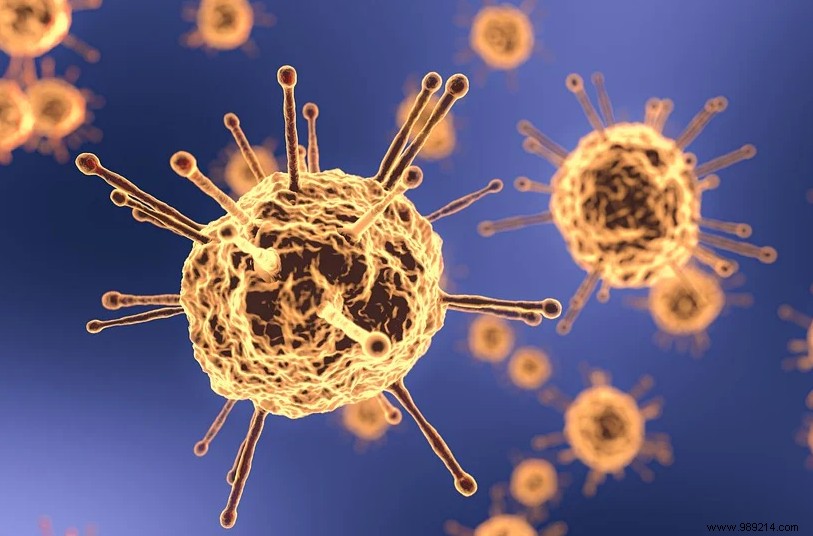
Developed amid the global "vaccine race," AZD1222 is a viral vector vaccine. It uses a modified chimpanzee adenovirus to deliver the SARS-CoV-2 spike protein—the key structure the virus uses to infect cells.
Once injected, this harmless adenovirus prompts the immune system to produce antibodies against the spike protein. Future exposure to the real virus triggers a rapid defense response.
These results stem from a Phase III trial in the UK and Brazil with over 23,000 participants. Interim analysis occurred after 131 COVID-19 cases in those receiving either two doses of AZD1222 or a control meningococcal vaccine (MenACWY).
Efficacy was determined by case distribution between groups. Participants receiving AZD1222 fell into two cohorts: one with a half-dose followed by a full dose (~90% effective among 2,741 participants), and another with two full doses (~62% effective among 8,895). Combined, this yields ~70% overall efficacy.
Experts are intrigued by the higher efficacy from the half-dose regimen, possibly due to immune responses targeting the adenovirus vector itself in full-dose schedules, diluting the spike protein focus. More data is needed to confirm.
On safety, no severe adverse events linked to the vaccine were reported. Earlier trials noted common mild effects like injection-site pain, fever, chills, muscle aches, and headaches—often managed with paracetamol.
AZD1222 stands out for scalability: AstraZeneca projects up to 3 billion doses in 2021, pending approval. It requires no ultra-cold storage, stable at 2-8°C for at least six months. During the pandemic, it'll be sold at cost, including €2.50 per dose in France.
