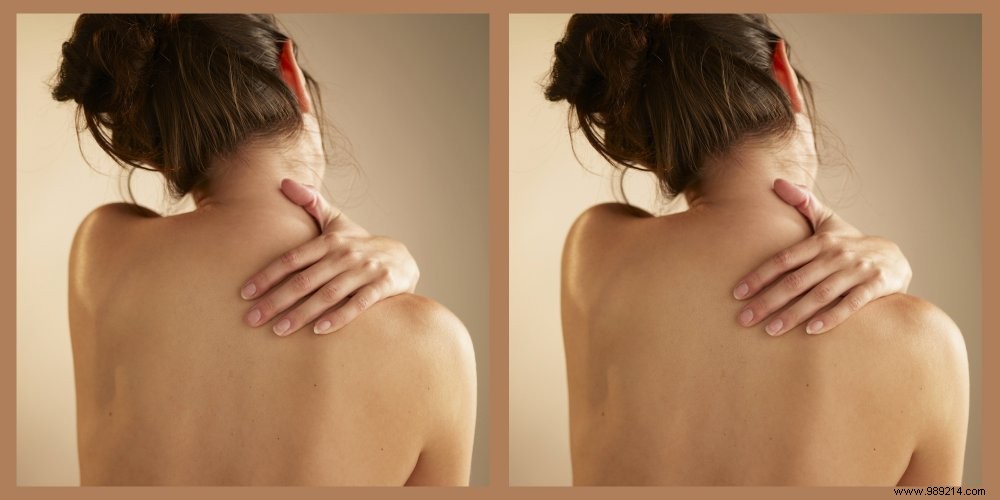
 Blending Pilates, yoga, stretching, and postural analysis, the Body Reboot method transforms how we hold ourselves and approach exercise.
 Back pain: the scourge of modern life? A 2017 OpinionWay survey found that 9 out of 10 French people experience it. Culprits include stress, excess weight, sedentary habits, constant sitting, and poor posture during heavy lifting, desk work, or workouts.
Conventional advice urges strengthening exercises for the back. "Not always wise," counter Jessica Braud (Jess) and Mariana Roumy, certified sports medical educators and creators of the innovative Body Reboot postural program.
"Gym-goers often arrive via doctor or physio referrals, yet risk worsening issues by bulking muscles atop flawed postures," notes Roumy. These expert coaches challenge outdated gym and health professional tips—like puffing the chest, thrusting shoulders back, and pinching shoulder blades. "An anatomical error," declares Braud. "It further curves the thoracic spine, exaggerating lumbar and cervical lordosis (deformities) and compressing discs," explains the experienced coach.
Back-support belts fare no better: the spine endures passively without awakening key muscles. Rooted in body misconceptions, these habits breed trauma and chronic pain—especially for long-term sufferers or those with recurrent lumbago.
Video of the day:"We created Body Reboot to end 'forced' corrections," says Roumy, a former professional dancer and dance sport instructor. Focus shifts to activating spinal erector muscles along the spine—the unsung heroes of proper posture.

Once engaged, these muscles straighten, fortify, and mobilize the spine for all movements. The body realigns naturally, shedding tension, pain, and performance barriers. Body Reboot aids pain sufferers, athletes, and dancers alike, revealing why certain moves elude them.
Step one: Posture assessment and core check, followed by tension release for pain relief and mobility. Massages target cervical, dorsal, and lumbar areas, deactivating trigger points and contractures, aiding fiber alignment, boosting circulation, and flushing toxins.
Stretching and yoga are vital. "Beyond relaxation, intense stretches decompress discs and elongate the spine," Roumy explains.
After easing major tensions (over weeks), focus on natural placement without compensations. Proper strength training then solidifies balance—like engaging the core to spare the lower back.
"Abs routines often say 'draw navel to spine,' but what of the area navel-to-pubis?" Braud asks. This zone slackens from neglect, yet supports the spine and torso. Pilates activates the 'core' (deep central muscles) for force distribution, crafting a robust belt and spine. Body Reboot's key: Tune into sensations. Conscious muscle engagement builds intuitive movement mastery.
Protocols start with weekly one-on-ones. Once reflexes integrate, join group classes at the Moving Forward sports association. Self-massage trigger points with rollers or balls, hip stretches to free the pelvis and ease back pain—tools for autonomy. "Upright posture reveals anatomical logic and its health impacts," Jessica summarizes. These habits transform lives.
Learn more: www.bodyrebootparis.com
