During the UK's first COVID-19 lockdown, Luke Williamson's health deteriorated after suspected coronavirus exposure. His family urged him to drink plenty of water—a well-intentioned tip that he took too far, nearly costing him his life.
In the early months of the COVID-19 pandemic, misinformation fueled panic worldwide. In February 2020, a father in India took his own life fearing he would infect his family. Weeks later, around 300 people in Iran died after consuming high-proof methanol, wrongly believing it killed the virus. These tragedies stemmed from fake news spreading online.
As reported by the Daily Mail on December 29, 2020, Luke Williamson, a UK resident, faced a similar close call—not from misinformation, but from straightforward family advice. During the March-April 2020 lockdown, after feeling unwell for a week, his relatives recommended drinking lots of water.
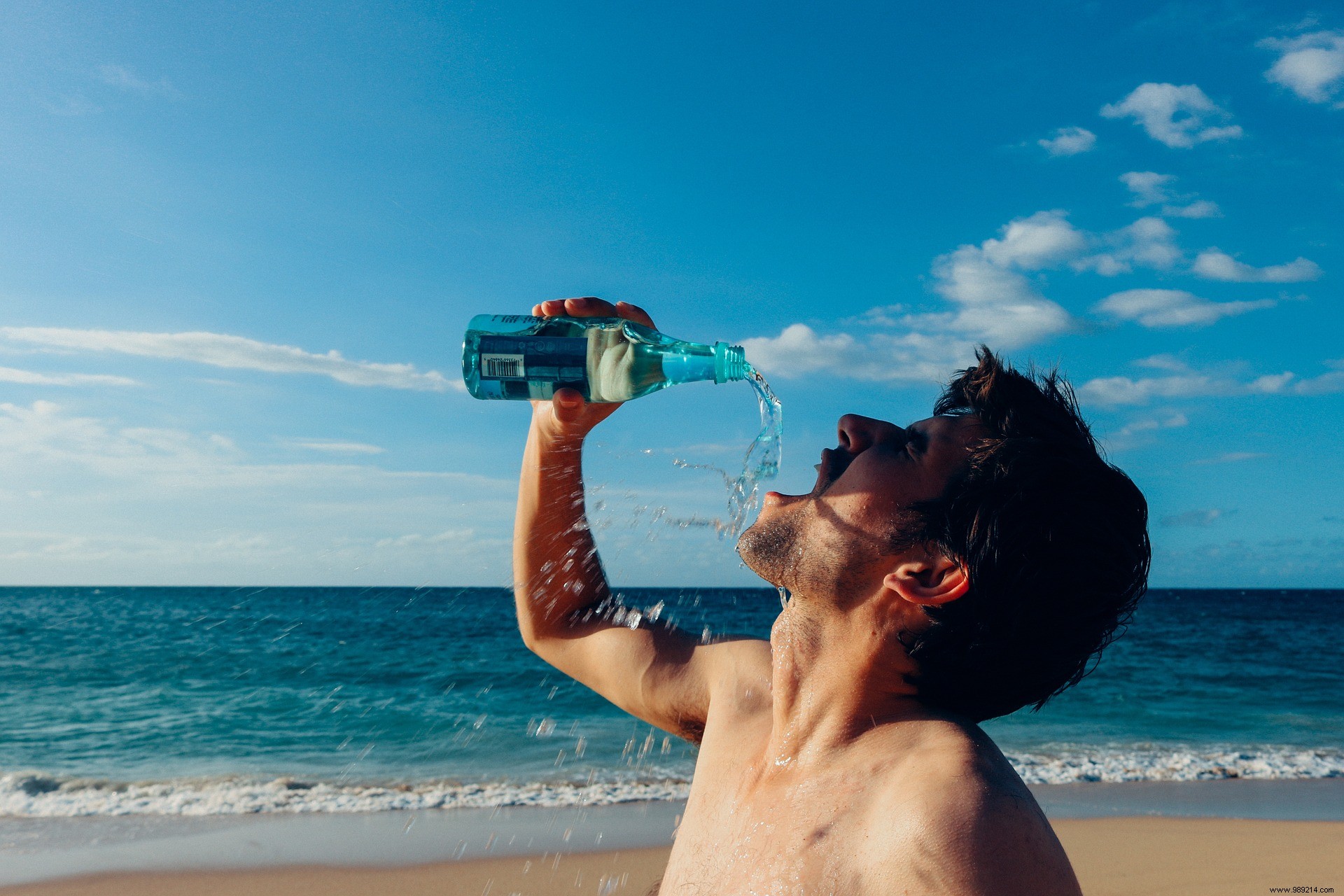
One evening, while bathing, Luke collapsed in a pool of blood. His wife, Laura, couldn't unlock the bathroom door and talked to him to keep him conscious until paramedics arrived 45 minutes later. Rushed to the ER unconscious, doctors diagnosed him with water intoxication from consuming 4 to 5 liters daily.
Excess water diluted his blood sodium levels, causing hyponatremia—a condition defined by sodium below 135 millimoles per liter (mmol/L). Symptoms include brain swelling (as Luke experienced), lethargy, nausea, seizures, coma, or death. While hydration is crucial, overdoing it risks flushing out essential electrolytes.
Luke spent three days on life support in intensive care, with doctors offering no guarantees. He survived but required a six-month work absence. Today, he battles ongoing fatigue, works part-time, and is rebuilding his life slowly.
