Dentists in the United States are seeing a notable increase in patients complaining of bad breath recently. While masks are often blamed, experts say the issue stems from more subtle factors.
As mask-wearing becomes mandatory in places like France, a Huffington Post article from August 21, 2020, highlighted this trend among U.S. dentists. The culprit isn't the mask itself, but prolonged wear leading to mouth dryness.
This affects mouth breathers most, compounded by difficulty sipping water to stay hydrated. Tight-fitting masks around the nose exacerbate it during extended use.
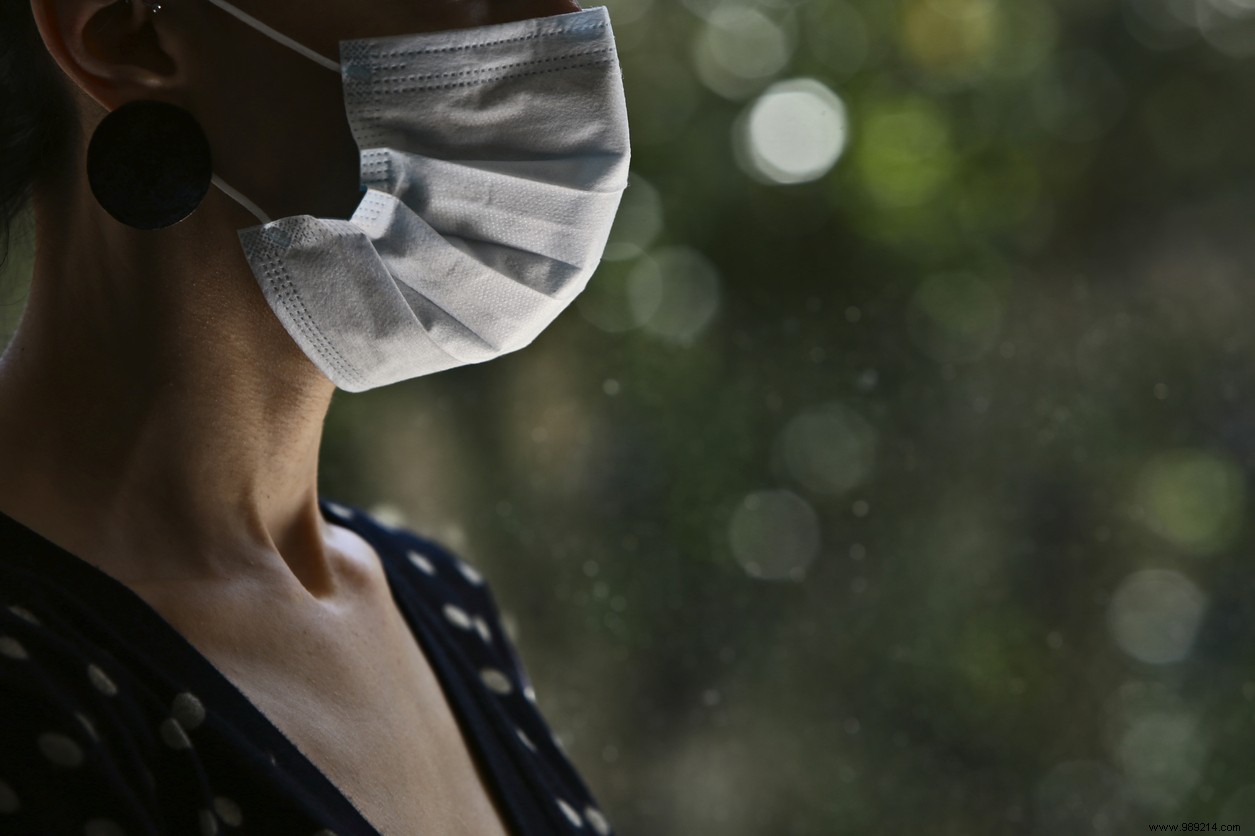
Dentists also warn of higher cavity risks. Saliva naturally fights fungi and bacteria causing decay; dryness reduces this protection, allowing cavities to form more easily.
Note that no scientific studies have yet confirmed direct links between masks, bad breath, and cavities. Still, the logic holds based on dental expertise. To manage these issues:
Prioritize drinking plenty of water to flush food particles from teeth and gums. Brush thoroughly, use floss, and chew sugar-free gum to boost saliva flow.
Wash masks at 60°C after each use. When safe, remove the mask briefly to let your mouth breathe while maintaining social distancing.
