As a dental health enthusiast who's overcome persistent bad breath through trial and error, I can show you how to achieve lasting fresh breath. Years ago, my oral hygiene wasn't perfect, and I was offered mints far too often. After researching and testing solutions, these 6 expert-backed tips transformed my breath confidence. Here's how you can do the same.

Dry mouth is a primary cause of bad breath, often from insufficient hydration—common during sleep or travel.
The body reduces saliva production, allowing dead cells to accumulate on the tongue. Bacteria break these down, producing foul odors.
Staying hydrated boosts saliva flow, minimizing halitosis risk. Check your intake with this simple test for optimal hydration.
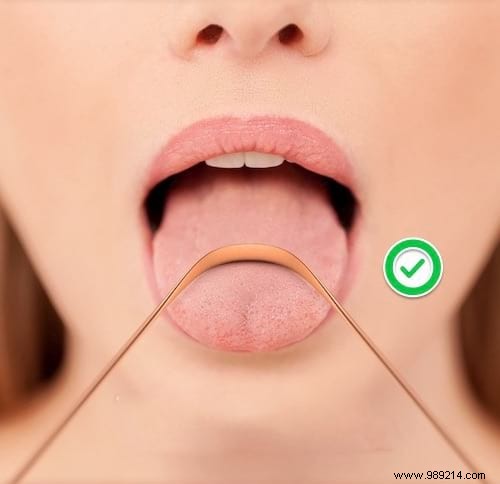
Regularly cleaning your tongue's surface is the most effective way to reduce bad breath. Do it after meals if possible.
A tongue scraper works best, but a toothbrush for 15 seconds post-brushing is a solid alternative. This removes organosulfur compounds responsible for odors.
Make it a daily habit for noticeable results.

When brushing isn't feasible—like at work—opt for mouthwash. It outperforms gum or mints by killing bacteria directly.
Carry a small bottle and gargle vigorously for 30 seconds: teeth slightly apart, swirl forcefully, then spit. Avoid eating or smoking for 30 minutes after.
Skip commercial versions with harsh chemicals; try this proven 100% natural recipe instead.

Bacteria feast on food particles trapped between teeth, releasing odors. Daily flossing removes these remnants, sanitizing your mouth.
Floss between each tooth, top and bottom, once daily. If traditional floss is tricky, consider user-friendly flossers or rechargeable options to cut plastic waste.
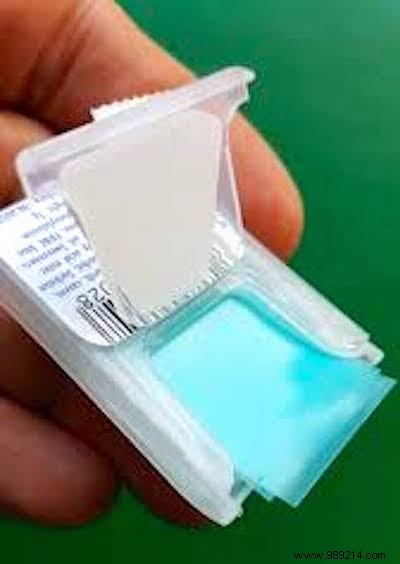
Mint gum offers temporary relief and often contains sugar that harms teeth. Switch to mint strips for longer-lasting freshness with less sugar.
They dissolve quickly on the tongue, reducing cavity risk while providing superior breath control.
Certain foods combat bad breath naturally. Green tea's antibacterial properties neutralize odors effectively.
Cinnamon's essential oils kill bacteria—sprinkle on toast, oatmeal, or steep a stick in tea.
Crunchy produce like celery and apples boosts saliva and scrubs bacteria. Melons, oranges, and berries help too.
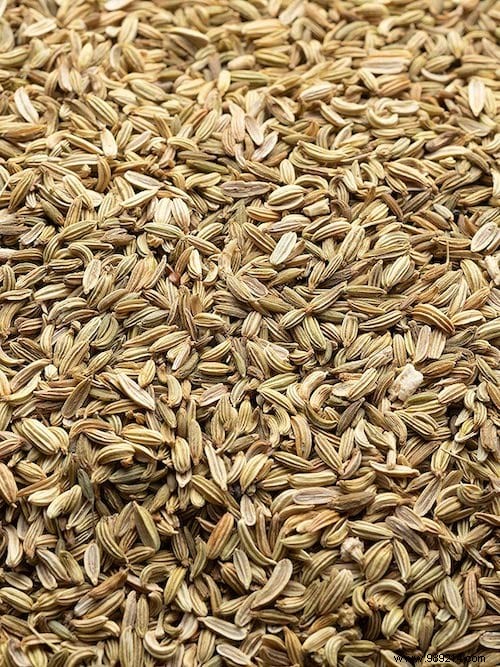
Chew anise seeds post-meal for digestion and freshness; cardamom, fennel, dill, cloves, or parsley work similarly.
Counter odor-causing foods: milk neutralizes garlic (whole milk best), while apple or lemon counters wine breath.

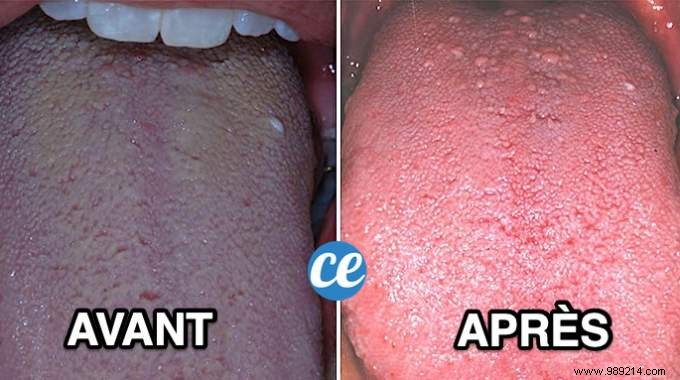
Halitosis can embarrass before anyone notices—check proactively. It often stems from the tongue.
A healthy tongue is pink and shiny; white, scaly coating signals issues.
Use the spoon test: lick the back, let dry, smell—it mirrors your speaking breath.
Skip the cupped-hand blow; lick your hand's back, dry, and sniff for accurate results.
