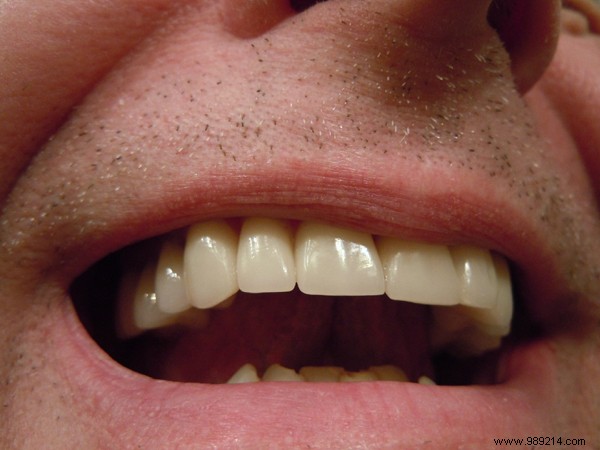
Bad breath affects 25-50% of people worldwide, causing embarrassment and impacting social interactions. As dental professionals with years of experience treating halitosis, we've helped countless patients eliminate it permanently. Here's a clear breakdown of what bad breath is, its causes, and effective remedies.
Known medically as halitosis, bad breath produces an unpleasant odor noticeable during conversations or exhalation. It can significantly hinder personal and professional relationships.
While poor oral hygiene is the most common culprit, halitosis often signals underlying issues. Problems in the digestive tract—from the mouth to the intestines—can contribute, including liver disease manifesting as a precursor symptom. Early detection is crucial for overall health.
Poor oral hygiene tops the list, allowing bacteria to proliferate on the tongue and other mouth surfaces. Oral conditions like cavities, tonsillitis, and gingivitis frequently trigger it. However, not all cases originate in the mouth.
Nasal issues such as sinusitis or rhinitis can be culprits. More seriously, it may indicate kidney failure or stomach cancer. Dietary factors like coffee, onions, and garlic play a role, as do lifestyle habits including stress, excessive alcohol, and smoking.
Identifying the root cause is key. For hygiene-related issues, prioritize thorough oral care: brush twice daily (morning and night), floss, and use interdental brushes to clear food debris.
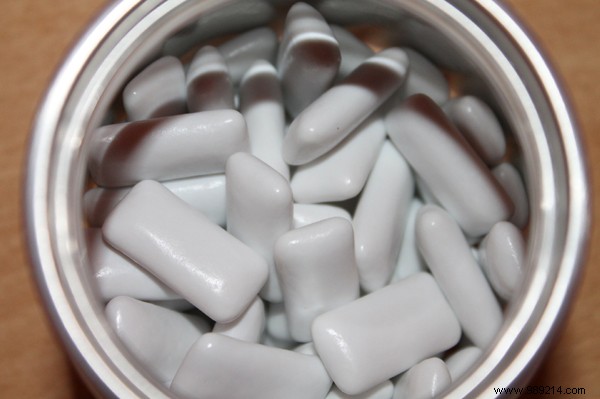
Natural rinses with sage, cloves, baking soda, or parsley provide relief. Maintain a balanced diet, chew food thoroughly, and sip fennel, mint, or anise teas post-meals. Sugar-free gum can help stimulate saliva.
Limit alcohol, quit smoking, and schedule annual dental check-ups for cleanings and cavity prevention. If a medical condition is suspected, consult a healthcare professional—treating the underlying issue resolves halitosis effectively.
