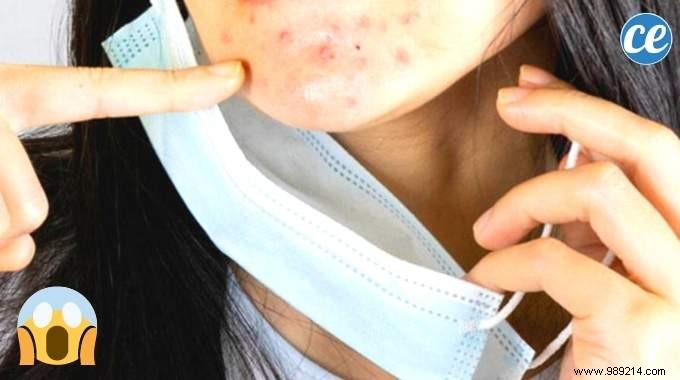
Wearing a mask can lead to maskne—those stubborn pimples triggered by prolonged coverage. You're not alone; this common issue, a blend of 'mask' and 'acne,' affects many, whether using fabric or surgical masks.
A trusted dermatologist shared these 10 proven strategies to minimize breakouts and maintain healthy skin.
 Contents
 Begin each day by gently cleansing your face—a crucial step for acne-prone skin. Dermatologists often recommend Aleppo soap for its mild, effective properties.
Skipping this allows bacteria and dirt to accumulate, creating an ideal environment for growth under the mask.
In the evening, always remove makeup and cleanse thoroughly before bed.
To discover: Baking Soda + Coconut Oil: The Best Cleanser for Problematic Skin.
Hydrate contact areas thoroughly. For oily skin, apply aloe vera gel; for dry skin, use vegetable oils like shea butter, cocoa butter, neem, hazelnut, black cumin, or jojoba oil to form a protective layer.
Follow with a lightweight moisturizer on face and neck to prevent dehydration. In the evening, use a hydrating serum post-cleansing.
Don't forget lip protection with a natural balm.
Adapt your routine: Choose lightweight, non-comedogenic fluid foundations over heavy ones or powders.
Embrace minimal or no-makeup looks to reduce pore clogging—many find it liberating and skin-friendly.
To discover: 13 Reasons to Ditch Makeup for Healthier Skin.
Men aren't immune to maskne; beards can exacerbate irritation and trapping.
Shaving may help prevent breakouts, even if it's a stylish choice otherwise.
To discover: Easy Homemade Shaving Foam Recipe.
Masks can stress skin, prompting reactions. Counter with weekly gentle exfoliation—avoid harsh peels.
Tailor scrubs or masks to your skin type: honey for normal/combination, or specific options for dry, oily, sensitive, or acne-prone skin.
To discover: 3 Homemade Beauty Masks to Nourish Skin Effectively.
Drink water consistently; masks accelerate dehydration. Alternate with teas or herbal infusions for variety.
Use a facial mist for refreshment—make your own to save money.
To discover: 10 Signs of Dehydration.
Reduce sweets, raw cow's milk dairy, and deli meats, which boost sebum. Prioritize vitamin C-rich foods to support vessel strength and skin health.
To discover: Vitamin C: Your Ally for Radiant Skin Year-Round.
Swap cloth or surgical masks often—ideally before four hours—to remove trapped bacteria.
Wash homemade masks at 60°C to eliminate bacteria and viruses.
To discover: How to Properly Disinfect Your Cloth Mask.
Cotton absorbs oils but may irritate; line with silk or satin for sensitive skin. Avoid linen; prioritize breathable materials or surgical masks.
To discover: Tip for Better Breathing Without Mask Sticking.
Opt for natural, hypoallergenic detergents to prevent irritation from residues on face-contact areas.
Never pop pimples. Use natural remedies like apple cider vinegar, toothpaste, baking soda, lavender essential oil, honey, or lemon to dry them out.
Try an aspirin mask or follow a professional-style beauty routine. Oatmeal treatments offer vitamins and minerals; rhassoul excels for blackheads.
Masks create heat, humidity, and friction, trapping sweat and excess sebum—ideal for acne, even on non-prone skin. Thicker masks worsen it by blocking breathability.
