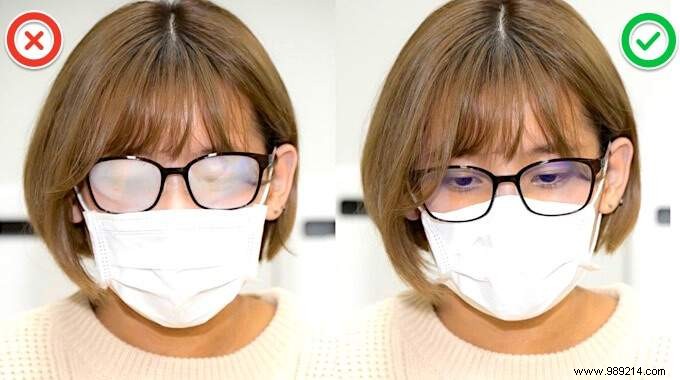
Wearing a mask during the COVID-19 pandemic was challenging enough, but for glasses wearers, foggy lenses made it even worse.
Every breath caused condensation on your lenses, forcing constant cleaning—and touching your face, which wasn't ideal for virus prevention.
As a glasses wearer who's navigated this issue daily during the pandemic, I've tested numerous solutions. Here are 5 effective, proven tips to keep your glasses fog-free under a mask.
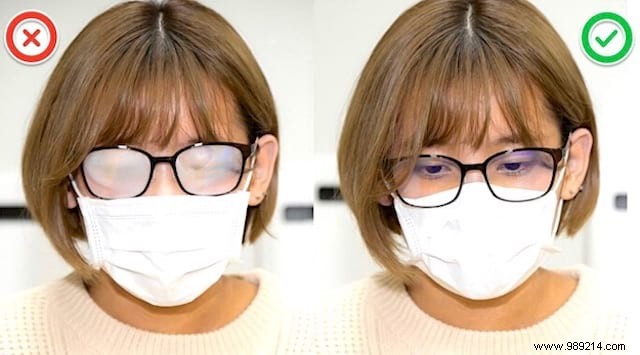
To wear a mask effectively with glasses, ensure it's tight against your face.
A snug fit prevents warm breath from escaping the top. Adjust the ear loops for a better seal, or choose masks with a flexible nose bridge.
For homemade masks, add a bendable wire along the nose for a custom fit—see tutorials online for easy DIY.
A simple tissue absorbs moisture effectively.
Fold a tissue paper horizontally and place it between your face and the mask over the nose bridge.
This quick hack soaks up breath moisture, reducing fog—easy, fast, and reliable.
Micropore tape seals the top edge like a pro.
Cut a strip and apply it across the nose bridge on the mask's exterior.
Medical professionals and students have used this for years with goggles—it's simple, effective for daily use, even on homemade masks.
Liquid soap creates a protective film on lenses.
Apply a thin layer to both sides with a microfiber cloth, then wipe excess. Fog forms but slides right off.
Shaving foam works similarly: apply, rinse with hot water. Always start with clean glasses for best results.
Leverage your glasses' weight to seal the mask.
Pull the mask high over your nose bridge (still under chin), then rest your glasses on top to block escaping air.
This works well depending on your frame style. As a last tweak, slide glasses slightly up your nose—minimal vision shift for many.
Specialized anti-fog sprays are a game-changer for glasses.
Apply with a microfiber cloth for lasting clarity. I've found high-quality ones perform exceptionally well.
Masks redirect warm, moist breath upward, condensing on cooler lenses—like winter transitions or sports.
These tips, drawn from real-world testing and expert practices, keep you clear-eyed and safe.
