For months, athletes have debated whether masks pose health risks during workouts. A rigorous Italian study published in the European Respiratory Journal debunks these concerns, confirming safety for healthy individuals—though it notes a modest performance dip.
Like vaccines, masks have been plagued by misinformation since the COVID-19 pandemic began. Skeptics have claimed they cause hypoxia (oxygen deprivation), carbon dioxide buildup, or allow viruses through overly porous fabric.
Yet sports enthusiasts have kept up their routines—running outdoors or hitting the gym—even during lockdowns. A key question remains: Is masking up during intense activity truly safe? Cardiologists at Italy's Monzino Cardiology Center in Milan, drawing on clinical expertise, provide a clear answer in their peer-reviewed study: yes, with no health risks observed.
This holds true even for indoor sports, similar to protocols in theaters, which were shuttered early in the pandemic to curb spread.
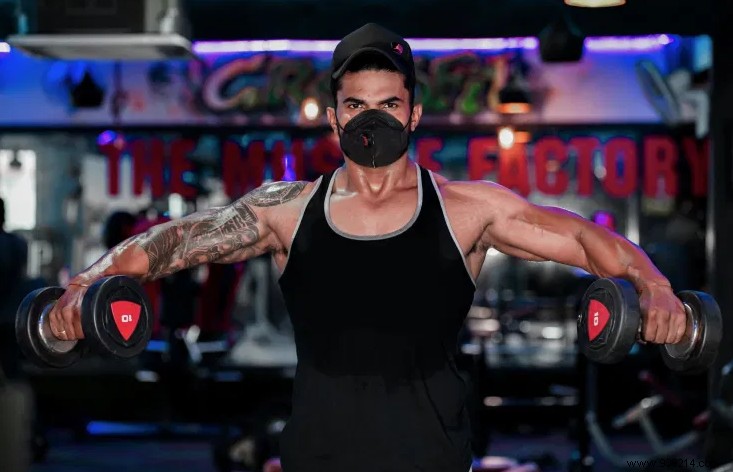
"Even during maximum exertion, mask use is safe," affirm the researchers.
These findings apply to healthy adults, showing no risk to wearers or bystanders from contamination. That said, the team observed a roughly 10% reduction in performance, particularly with FFP2 masks. Surgical masks had only a minimal impact. The study aimed to guide safer gym reopenings.
To reach these conclusions, experts recruited 12 healthy volunteers around age 40 for three rounds of exercise bike tests: no mask, surgical mask, and FFP2. The FFP2 showed the clearest dip.
Looking ahead, the researchers plan further studies on those with heart or lung conditions to confirm similar safety, underscoring their commitment to evidence-based guidance.
