Blood draws can be challenging when veins are fragile or hard to locate. Researchers from Rutgers University and Mount Sinai Hospital have engineered a robot that locates veins with remarkable accuracy.
Developed by experts at Rutgers University in partnership with Mount Sinai Hospital in New York, this prototype robot excels at precise blood sampling, as detailed in a February 5, 2020, publication in the journal Technology. It addresses common issues with fragile or elusive veins, minimizing painful multiple needle sticks.
The robot uses an integrated ultrasound device to pinpoint veins effortlessly, draw samples, and even separate blood components via centrifuge—streamlining lab workflows and saving valuable time.
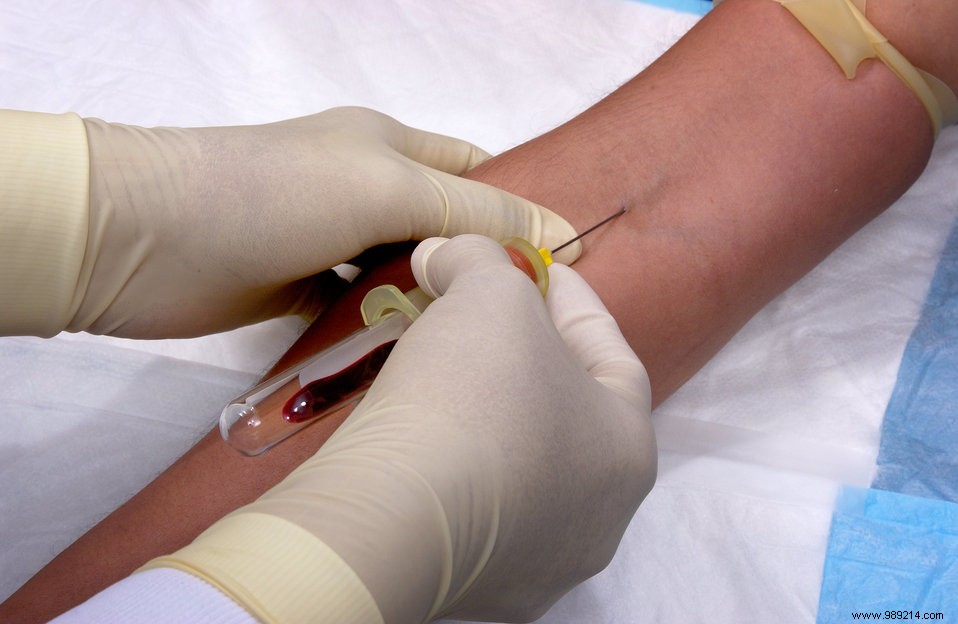
Tested on the forearm with 31 volunteers, the device achieved an average 87% success rate, rising to 97% for those with easily accessible veins. Initial results are promising for broader applications.
Lead researcher Josh Leipheimer emphasizes the robot's reliability and safety, reducing patient discomfort while cutting costs. The study estimates annual U.S. savings of $4 billion from less wasted materials and staff time.
Beyond blood draws, the team envisions uses for inserting peripheral venous catheters, aiding IV treatments or dialysis for kidney patients.
A precursor, the 2015 VenousPro by Vasculogic, boasted 98% success and featured an ultrasound anesthetic patch for pain relief.
Source
Related Articles:
