Approximately 15 years ago, researchers at St George's Medical School, University of London, documented a rare case of a man who consumed around 40,000 ecstasy tablets over nearly a decade. Despite surviving, he faced significant health repercussions.
Ecstasy, which contains MDMA—a potent central nervous system stimulant with psychotropic, sympathomimetic, and serotonin-releasing properties—can be neurotoxic with heavy or chronic use. In a 2006 case study published by experts from St George's Medical School at the University of London, a 37-year-old man exhibited the highest recorded ecstasy intake. From ages 21 to 30, he took five tablets every weekend, escalating to 3.5 pills daily for three years, then 25 pills daily for four more years.
In total, he ingested over 40,000 tablets during this period, alongside other substances including heroin, cocaine, cannabis, solvents, amphetamines, LSD, and benzodiazepines.
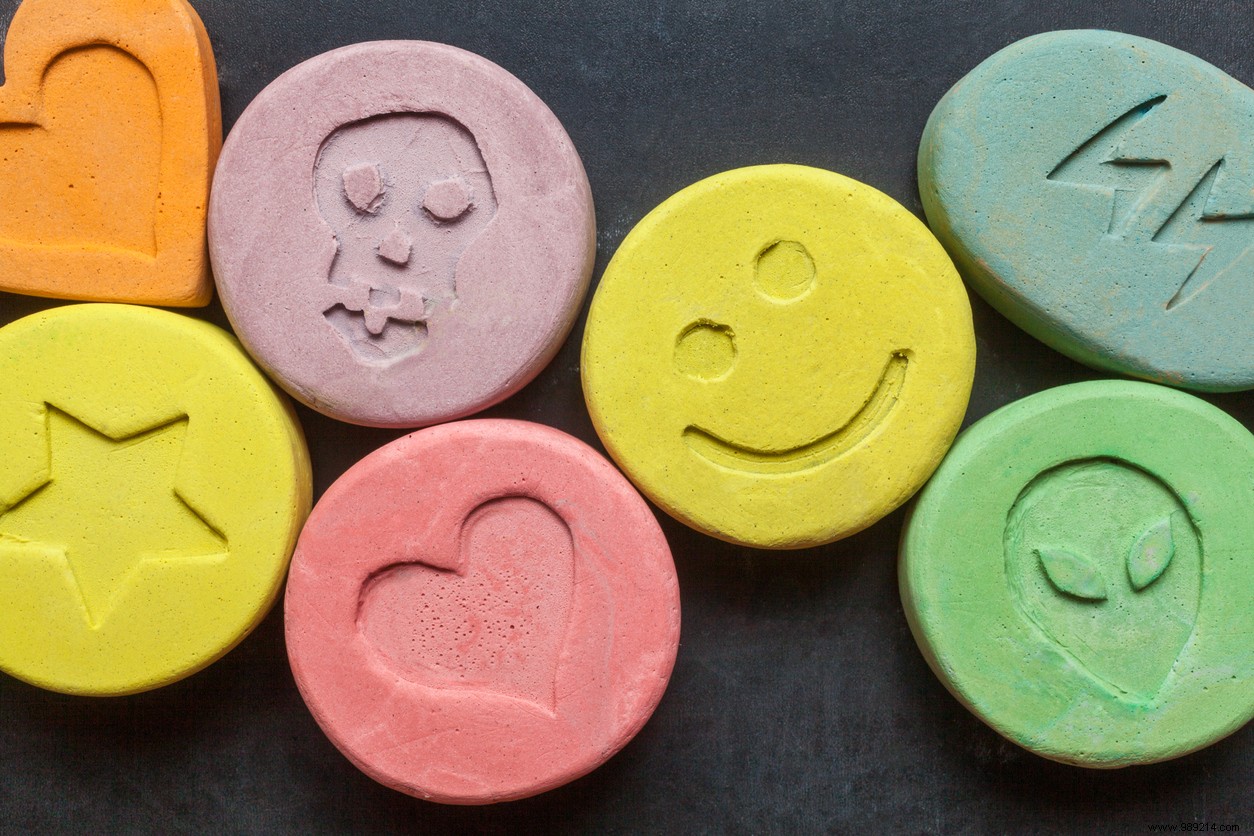
The man quit ecstasy after collapsing three times during nights out. He remained under its influence for months, experiencing tunnel vision. Symptoms included functional hallucinations, paranoid delusions, panic attacks, and muscle rigidity, particularly in the jaw and neck. Cognitive tests revealed impaired concentration, short-term memory deficits, and temporal disorientation.
Upon evaluation, he was only using cannabis, and reducing it lessened his panic attacks, eliminating hallucinations and paranoia.
MRI scans showed no brain abnormalities or atrophy, remarkable given his intake and lack of overdoses. This underscores his extraordinary resilience. However, this case is a stark warning: most impairments from chronic ecstasy use are irreversible and not typical outcomes.
