Challenging stereotypes, a new World Health Organization (WHO) report shows Russia's alcohol intake has dropped 43% since 2003—now surpassed by France.
Alcoholism plagued Russia post-Soviet era, with average consumption exceeding 15 liters of pure alcohol per person annually in the 1990s, contributing to men's life expectancy dipping below 57 years. Since Vladimir Putin's tenure began, targeted policies—including sales bans after 11 p.m. and higher minimum prices for spirits—have curbed this trend effectively.
“The Russian Federation has long been considered one of the countries in the world with the highest alcohol consumption,” the WHO report notes, highlighting alcohol's role in 1990s mortality spikes. “However, in recent years these trends have been reversed.”
Pure alcohol consumption has fallen 43% since 2003 to under 12 liters per person annually—less than France's ~12.5 liters or Germany's nearly 13 liters. Lithuanians lead at over 14 liters.
These changes have boosted life expectancy, hitting records last year: 78 years for women and 68 for men.
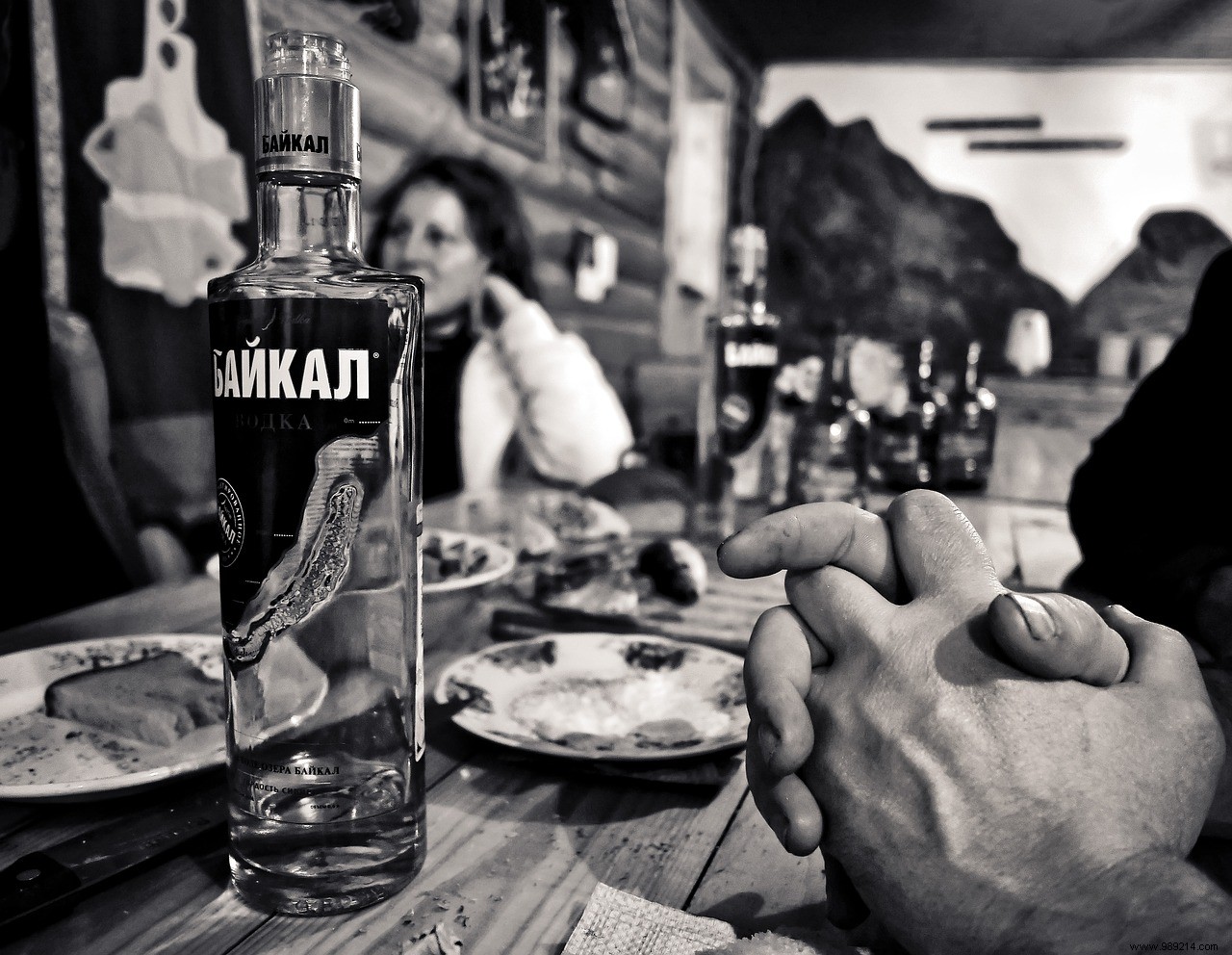
Worldwide, excessive drinking drives over 5% of deaths—around 3 million annually, per a recent WHO analysis. Youth are hit hard, with alcohol linked to 13.5% of their deaths.
Russia has also tackled smoking via public bans and recent balcony prohibitions, reducing tobacco use 20% from 2009-2016. Now, just one in three Russians smokes.
Related Articles:
