With captivating content and endless streaming options, it's easy to get glued to the TV. A large North American study reveals that excessive screen time significantly raises the risk of sleep apnea—a condition tied to serious health issues like obesity and cardiovascular problems.
Prolonged TV viewing often leads to a sedentary lifestyle. In the U.S., adults spend about 44 years—or two-thirds of their lives—in front of screens on average. Research has long connected dozing off while watching TV to obesity risks. More compellingly, a study published in the European Respiratory Journal links sedentary behavior and heavy TV use to a heightened risk of sleep apnea.
As defined by Inserm, sleep apnea involves repeated, involuntary breathing pauses during sleep, causing constant micro-awakenings that go unnoticed. This leads to daytime fatigue, poor concentration, and memory issues. Severe cases can trigger cardiovascular complications, even death. Treatments often require cumbersome CPAP devices.
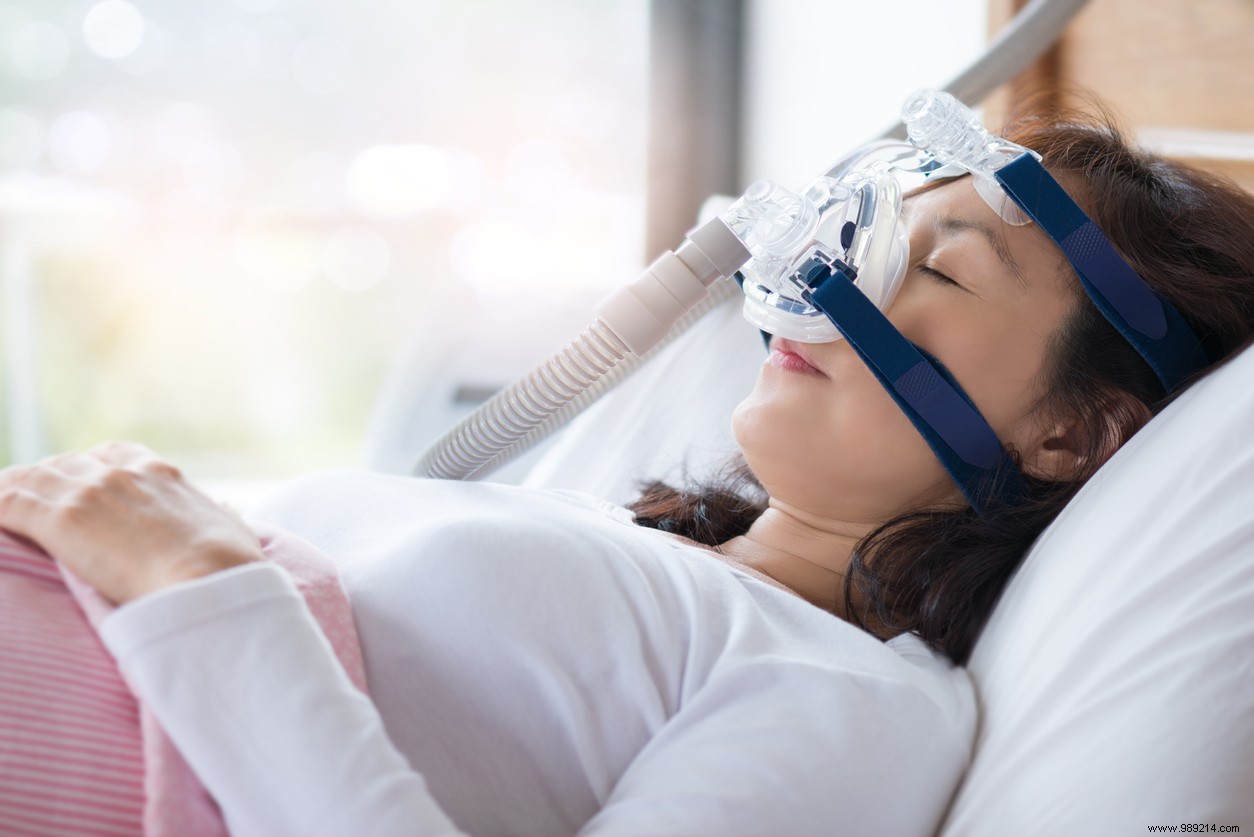
Risks rise with age and excess weight; at least 30% of people over 65 are affected. U.S. and Canadian researchers identify excessive TV as a key additional factor.
Drawing from the Nurses' Health Study, researchers analyzed data from 68,265 women and 19,320 men (1995–2013), plus 50,332 women and 50,332 men (2002–2012), focusing on activity levels, screen time, and sleep apnea.
Sedentary jobs correlated with a 49% higher sleep apnea risk. Even more striking: over four hours daily in front of screens increased it by 79%.
Experts attribute this to prolonged inactivity from TV binges. Their recommendation? Regular exercise—like 10,000 daily steps—paired with mindful screen limits to mitigate risks.
