In Nordic countries, it's a cherished tradition for parents to let newborns nap outdoors, even in frigid temperatures. Far from neglect, this practice signals excellent parenting and enhances quality of life. Recent scientific research validates its health benefits, dispelling long-held misconceptions.
In 1997 New York, Danish mother Annette Sorensen faced police intervention after leaving her newborn bundled in a stroller outside a restaurant during near-freezing weather. Neighbors, alarmed by the sight, alerted authorities.
Charged with attempted infanticide, Sorensen explained that her baby was simply taking a nap while she monitored from inside. Legend has it the Danish ambassador intervened, vouching for her cultural norm and preventing harsher consequences.
In 2012, she shared her story in the book A Worm in the Apple, offering her perspective amid public backlash. This practice—letting children nap outside in cold weather—is commonplace in Scandinavia, the Baltic states, and Russia.
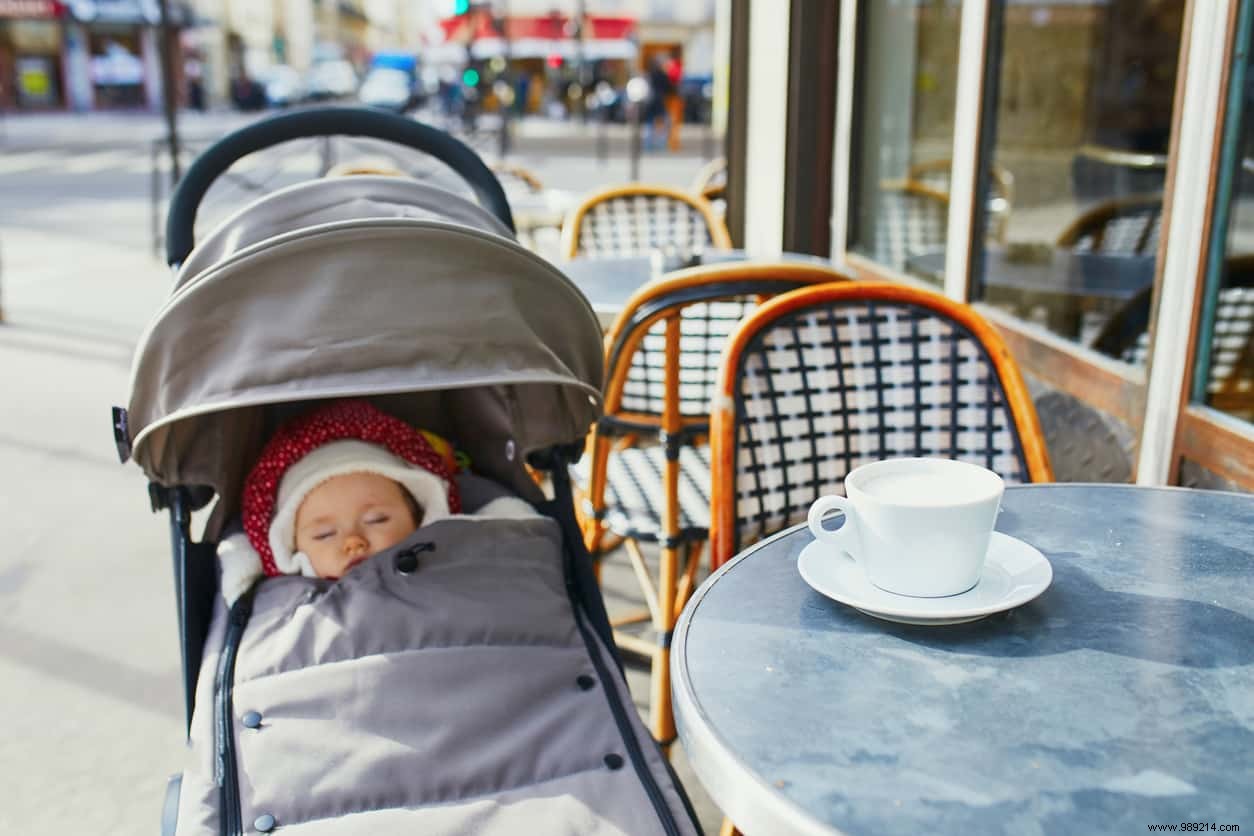
While uncommon elsewhere, Nordic parents view outdoor napping as proof of attentive parenting. In quieter, human-scale cities, it's practical and promotes well-being. Babies are meticulously layered in warm clothing, hats, mittens, and thick blankets.
In 2011, University of Oulu researcher Marjo Tourula published the first study on this, confirming it strengthens children's immune defenses and improves sleep quality. Findings pinpoint -5°C as ideal for short outdoor naps.
