As a long-time participant in the Nutrinet study since its launch, I've contributed to gathering vital nutritional data to understand how diet and physical activity impact overall health. I regularly complete targeted questionnaires on specific topics.
In late May 2014, Nutrinet participants received a new questionnaire on "Connected Devices":
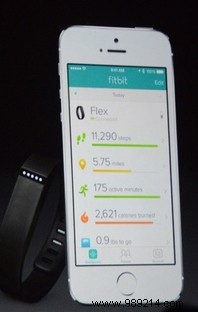
These internet-connected tools for tracking weight, body fat, blood pressure, steps, and more are increasingly common, providing valuable data for large-scale research like Nutrinet.
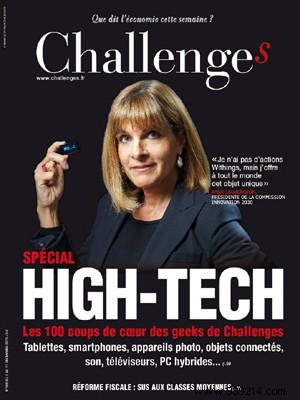
Months earlier, Anne Lauvergeon, president of the Innovation 2030 commission and former Areva CEO, highlighted the "internet of things"—especially the Withings Pulse sensor (made in France). This pocket-sized device tracks steps, calories, elevation, distance, heart rate, and sleep cycles, helping prevent cardiovascular issues.
Researchers are now developing "smart" swimsuits with embedded electrodes that transmit similar data via Bluetooth to smartphones.
These innovations drive "digital health" to curb rising healthcare costs amid longer lifespans. Tech giants like Samsung (SAMI) and Apple (HealthKit), soon integrating with wearables, are collecting vast personal health data. Privacy concerns loom large.
French laws on medical data haven't caught up with these sensors. The CNIL needs urgent action, as insurers could use this data for risk-based pricing. Ethical debates on privacy are just beginning, but device adoption will accelerate. Always consult a doctor for medical issues.
