As summer heats up, sunscreen purchases surge. But before grabbing the one promising ultimate protection, scrutinize the ingredients list. This caution extends beyond sunscreens to moisturizers, shower gels, shampoos, dyes, deodorants, makeup removers, and makeup—most conventional cosmetics harbor harmful compounds worth decoding.
Like a restaurant menu that tantalizes with evocative names but disappoints on delivery, cosmetics often highlight appealing naturals like oat milk or argan oil while concealing substances that can harm health and the environment over time. Key culprits include:
- Parabens: Once ubiquitous, these endocrine disruptors drew scrutiny from the EU's Scientific Committee on Consumer Safety (SCCS) in 2005. Ongoing research reveals escalating risks, leading to bans on some variants from July 30, 2015.
- Methylisothiazolinone (MIT), which triggers eczema-like allergies, and butylated hydroxytoluene (BHT), an endocrine disruptor—both still permitted.
- Phthalates, allowed as diethyl phthalate (DEP), another endocrine disruptor.
- Sodium laureth sulfate (SLS), an irritating surfactant often overused in products for sensitive skin. Opt for gentler alternatives like cocobetaine or coco glucoside.
- Phenoxyethanol, risky for children due to high skin absorption and potential liver damage.
- Aluminum trichloride or chlorohydrate in antiperspirants, linked to breast cancer risks given proximity to glands. (Note: Natural potassium alum appears safer.)
- Heavy metals in some lipsticks, carcinogenic and neurotoxic, easily crossing the placental barrier.
- Ammonia, diaminobenzenes, resorcinol in hair dyes, causing respiratory issues, allergies, and endocrine disruption.
- Chemical UV filters from the benzophenone family in sunscreens, confirmed endocrine disruptors; nanomaterials replacing them remain unevaluated.
Labels often omit byproducts from manufacturing or allergenic synthetic fragrances unregulated by health authorities.
Opt for cosmetics certified organic (Cosmebio, approved by Ecocert), which guarantee minimal toxic synthetics and significant organic plant-based ingredients.
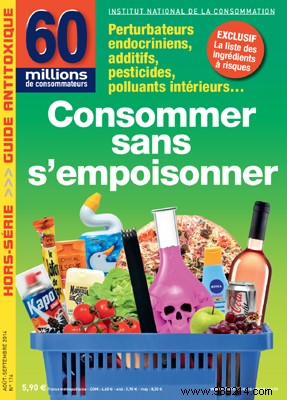
The July 10, 2014, special issue of 60 Million Consumers (€5.90), titled "Consuming Without Poisoning Yourself"—covering endocrine disruptors, additives, pesticides, and more—offers an expert guide to family-safe cosmetics.
For sunscreens, prioritize common sense: Gradually build sun tolerance, limit beach time until after 4 p.m., and use hats or T-shirts. It's healthier, safer, and more cost-effective than chemical reliance, especially for kids.
