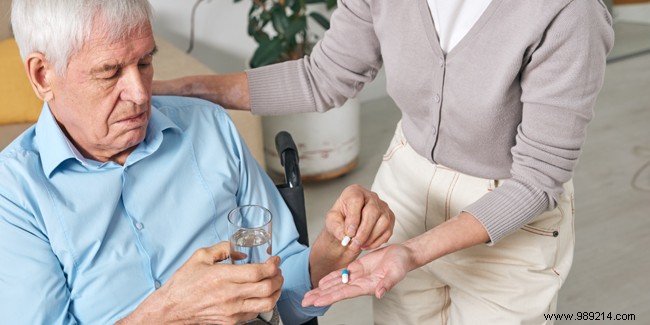
The Gerontological Care Assistant (ASG) role emerged from France's "2008-2012 Alzheimer's Plan," aimed at establishing specialized positions to assist individuals with Alzheimer's disease and their loved ones in daily living activities. Learn about the ASG's key responsibilities and work environments.
A Gerontological Care Assistant (ASG), often a trained nursing or medico-psychological aide, specializes in supporting highly dependent elderly individuals affected by neurodegenerative conditions like Alzheimer's disease.
Through targeted training, ASGs master care techniques and communication strategies tailored to seniors losing autonomy due to these illnesses.
These dedicated professionals provide attentive, vigilant daily care to help maintain and enhance the quality of life for those affected.
ASGs primarily support Alzheimer's patients through specialized home teams or in facilities like adapted activity centers (PASA) in nursing homes or reinforced accommodation units (UHR), under a health manager's oversight. They collaborate closely with multidisciplinary teams, including psychomotor therapists, occupational therapists, and psychologists.
ASGs offer essential help and emotional support to elderly individuals with neurodegenerative diseases and their caregivers, assisting with all critical daily activities while respecting each person's unique needs.
Specially trained in social and cognitive stimulation, ASGs help restore or preserve autonomy—guiding seniors to relearn tasks like dressing or cooking, emphasizing the joy of regained independence.
In specialized facilities, ASGs lead individual or group therapeutic activities, such as cooking workshops, gardening, balneotherapy, or memory exercises, to reduce behavioral issues and foster social connections.
Regardless of setting, ASGs combat isolation and boredom, significantly improving well-being.
Beyond hands-on aid, ASGs assess needs related to sensory, physical, psychological deficits, or behavioral challenges. They monitor health closely to prevent complications.
ASGs also support family caregivers by listening, advising, and helping adapt home environments for optimal care.
