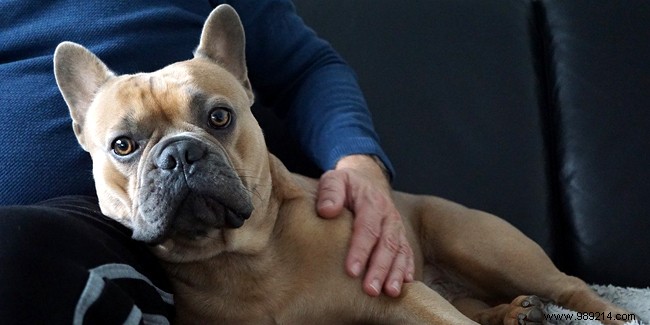
Millions of French people own pets, and research consistently shows the positive impact animals have on human health. For seniors and the elderly, these companions provide profound benefits—combating loneliness while forging deep bonds that elevate daily life, especially for those who are isolated or dependent. Pet therapy, or zootherapy, harnesses animals as therapeutic mediators to enhance physical, cognitive, and emotional health in older adults.
Pet therapy—also called animal-assisted therapy or animal mediation—is a growing complementary approach in France, widely used in retirement homes and specialized elderly care facilities. Delivered by trained professionals such as zootherapists (health or social workers), it employs animals—primarily dogs, but also cats, rabbits, birds, and horses—to build connections, elicit responses, and boost well-being among vulnerable seniors, including those with disabilities, Alzheimer's, or psychomotor challenges.
Caregivers and family often face barriers in engaging isolated or dependent seniors, but these individuals readily connect with pets. Dogs, in particular, act as powerful mediators, helping seniors articulate emotions, voice anxieties, and even mirror their mental states through the animals' behaviors. This is especially valuable for those experiencing autonomy loss, memory issues, or cognitive disorders.
The innate human-animal bond makes pet therapy exceptionally effective for improving both physical and mental health in older adults.
Pet therapy yields measurable gains in motor function. Everyday activities like brushing a dog, gentle petting, or short walks encourage natural movement without self-consciousness or fear. Sessions may include fun challenges, such as obstacle courses or slaloms alongside the pet, to sharpen spatial orientation, balance, and coordination.
For dependent or ill seniors, pet therapy restores a sense of purpose and control. By caring for the animal or teaching simple commands, participants feel valued and capable, rebuilding self-esteem through these empowering interactions.
Regular sessions prompt seniors to recall the pet's name, past visits, or shared activities—effortlessly exercising memory in a low-pressure way.
Pet therapy excels at easing stress and anxiety, common among seniors in care facilities who feel disoriented. A pet's calming presence often delivers instant comfort, sparking genuine joy and heartfelt moments.
