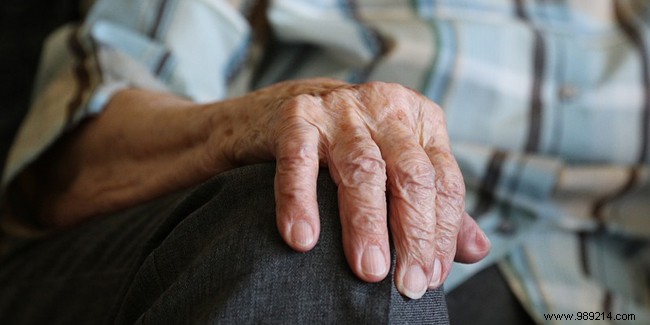
Osteoarthritis (OA) is the most common joint disorder, primarily affecting older adults though not limited to them. Over 85% of people aged 70+ experience it. This progressive rheumatic condition, driven by cartilage breakdown, can severely limit seniors' independence and daily function.
OA is a degenerative disease that weakens joints in the hips, knees, spine, and fingers, impairing everyday movements. Not all seniors develop it—it's not inevitable with age alone.
Knee OA, for instance, is widespread in older adults. Cartilage wear results from lifelong mechanical stress and joint cell changes that degrade it over time. Key risk factors include age, female sex, obesity, past injuries or trauma, and genetics.
OA varies in presentation and progression. It causes pain with joint-loading movements, stiffness, walking difficulties, and fall risks. Flare-ups bring swelling, intense pain, and occasional inflammation. Irreversible bony growths gradually deform joints.
No cure exists, but treatments relieve pain and slow progression. Analgesics and anti-inflammatories manage symptoms; severe cases may require corticosteroid injections.
For seniors, lifestyle changes are essential: maintain healthy weight, do moderate exercise during calm periods, avoid heavy loads, and use orthopedic insoles for knee OA to reduce joint strain.
Topical patches or gels provide targeted relief. Physiotherapy restores flexibility and strengthens muscles around joints.
For advanced OA, rheumatologists may recommend surgery, such as hip prostheses, to avert disability.
