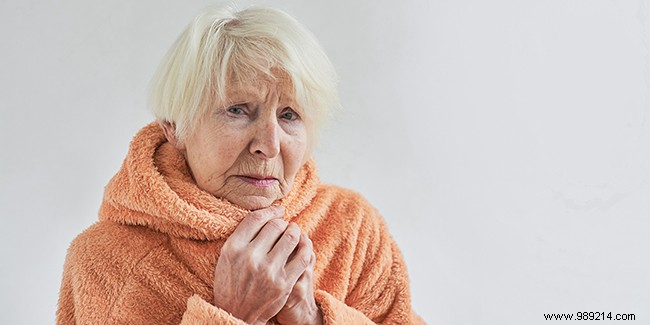
Hypothermia isn't a disease but a serious medical emergency caused by an involuntary drop in core body temperature below 35°C. The risks are especially high for older adults, who face greater vulnerability. Discover the causes, key symptoms, and immediate steps to take.
Normal body temperature typically ranges from 36.5°C to 37.5°C—not a fixed 37°C as commonly thought. It fluctuates due to:
Older adults are particularly at risk because their bodies struggle more to regulate temperature effectively.
Hypothermia occurs when body temperature falls below 35°C, leading to severe symptoms we'll outline below. It impairs bodily functions and poses significant health dangers, especially for seniors whose systems are less resilient. Those with chronic conditions face even higher vulnerability.
In contrast, hyperthermia involves a rise above 38°C, often triggered by:
Symptoms include dry skin, irritability, irregular heartbeat, confusion, anxiety, and general malaise.
For older adults, hypothermia—confirmed below 35°C—can be moderate (32–35°C) or severe (under 32°C). Age-related declines in circulation and heat retention increase susceptibility. Previous episodes, strokes (CVA), hypothyroidism, or heart disease further elevate risks.
Early detection is critical to protect vital functions like the cardiovascular system. Watch for:
Prompt recognition and action can be lifesaving.
Proactive steps reduce risks significantly. Focus on symptom awareness and lifestyle adjustments.
A balanced lifestyle not only promotes longevity but also bolsters temperature regulation. Key practices include:
Consult a healthcare professional at the first sign of symptoms for tailored solutions to safeguard health.
