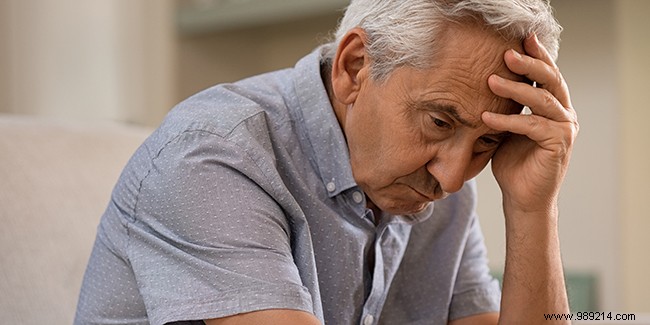
Depression in seniors is often overlooked or misattributed to aging. As experienced clinicians know, feelings of sadness, dejection, and low mood in older adults are real medical conditions that require attention. Learn how to recognize and address depression effectively in this population.
Identifying depression in seniors can be challenging. Older individuals tend to underreport emotional distress and instead present with physical complaints. Family members and healthcare providers may dismiss these as normal aging, but vigilance is key.
Symptoms are frequently somatic: heightened anxiety, loss of interest in previously enjoyed activities, unexplained pains, multiple hypochondriacal concerns, irritability, or aggression. A profound sense of emptiness and uselessness is hallmark. Persistent deep sadness, extreme fatigue, lack of motivation or confidence, social withdrawal, or suicidal ideation demands immediate evaluation. Notably, 13% to 40% of seniors experience depression, yet over 70% of cases go undiagnosed, sometimes masked by Alzheimer's or other dementias.
Triggers often stem from life changes like bereavement, loss of independence, isolation, sleep disturbances, or chronic illnesses. Those with prior depression history face higher recurrence risk.
Biological factors play a role too: organ aging, hormonal/neurotransmitter imbalances (e.g., serotonin), and medications like corticosteroids. Vascular events, such as strokes, can damage brain white matter, disrupting neural communication—depression is more prevalent post-stroke, especially in women.
Social factors include retirement, financial strain, shrinking social circles, or nursing home transitions, all exacerbating vulnerability.
Standard antidepressants effectively alleviate symptoms, often combined with sleep aids for insomnia. However, dosing must be cautious due to slower metabolism in seniors.
Addressing co-occurring physical pain is crucial, as it amplifies depressive states.
Psychotherapy—individual, group, cognitive-behavioral, hypnosis, meditation, sophrology, or homeopathy—offers valuable support for willing patients.
Encouraging exercise and rebuilding social connections are evidence-based strategies that enhance recovery and resilience.
