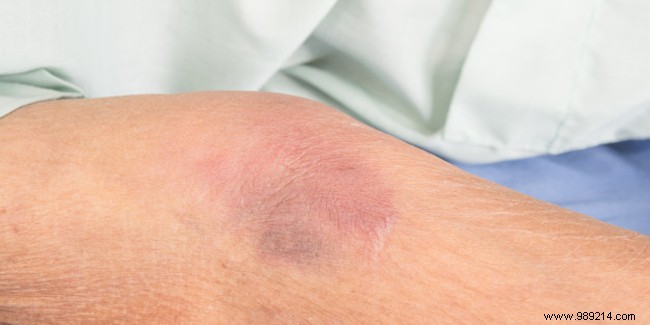
Due to age-related increased risk of falls, older adults are particularly susceptible to subdural hematomas—a collection of blood that accumulates between the brain and its outer covering, often after even minor head trauma. These can develop acutely or, more commonly in seniors, chronically over days or weeks.
A subdural hematoma forms between the dura mater (the brain's tough outer membrane) and the brain tissue itself. Acute forms appear rapidly post-injury, while chronic ones build gradually and can expand significantly, compressing brain tissue and leading to serious complications if untreated.
Chronic subdural hematomas are far more prevalent in the elderly, where slow expansion can cause substantial brain compression over time.
Common triggers include head impacts from falls, even seemingly minor ones. Anticoagulant medications—such as aspirin or other blood thinners prescribed for cardiovascular issues—heighten risk by impairing clotting. Age-weakened blood vessels exacerbate this. Chronic alcohol use is another key contributor.
Chronic cases often start subtly, with no immediate signs. As the hematoma grows and compresses the brain, watch for escalating headaches, memory lapses, behavioral changes, mild paralysis that worsens, seizures, coma, or mental confusion.
For chronic subdural hematomas common in seniors, urgent intervention isn't always needed. Doctors may opt for observation or low-dose corticosteroids initially. Brain imaging like CT scans assesses size, location, and progression to guide decisions.
If severe neurological symptoms arise, surgery—such as burr hole trephination to drain the fluid—relieves pressure. Early detection ensures low recurrence rates post-procedure.
