Nurse anesthetists, or IADE (Infirmier Anesthésiste Diplômé d'État), are in high demand across hospitals due to their specialized expertise. In operating rooms and ICUs, they deliver critical care in anesthesia, resuscitation, emergencies, and pain management. Learn about their responsibilities, training, key skills, COVID-19 impact, and career paths.
Nurse anesthetists build on core nursing knowledge with advanced training in anesthesia, resuscitation, emergency response, and pain control. They partner closely with anesthesiologist-intensivists, handling both scheduled operating room procedures and urgent cases in emergency departments—often with on-call shifts covering nights and weekends.
Securing the State Diploma of Nurse Anesthetist (DEIA)—equivalent to a master's degree—requires a competitive two-year work-study program. It's open to nurses and midwives with at least two years of experience, or those who have completed the third year of medical studies. Eligible backgrounds include:
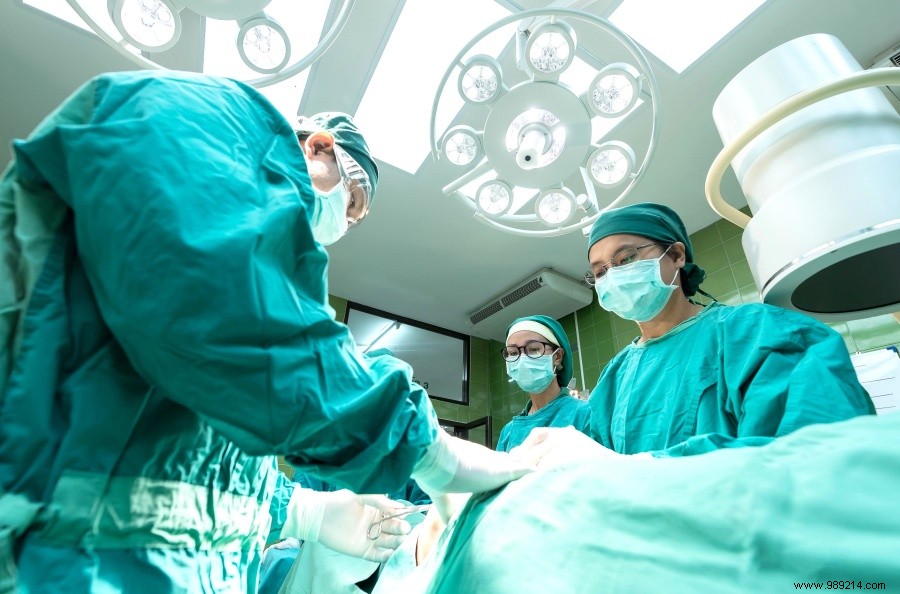
Qualified candidates stand out with exceptional interpersonal skills for compassionate patient care and support. Strong teamwork is essential, collaborating under anesthesiologists and with multidisciplinary teams. Physical endurance, stress resilience, organization, and attention to detail are critical for intense, high-stakes shifts.
Nurse anesthetists were indispensable during the pandemic's peak, managing intubations and bolstering ICU teams alongside nurses. Their expertise proved vital, reinforcing their cornerstone role in modern healthcare even as hospitals stabilize.
The DEIA marks the highest nursing qualification in anesthesia. With experience and targeted Diplomas Universitaires (DUs), IADE professionals can progress to supervisory nursing roles, teaching positions, or healthcare leadership.
