Vitamin D has gained significant attention for its potential role in combating COVID-19. Medical experts have even co-authored opinion pieces urging general practitioners to prescribe it for prevention and to mitigate severe outcomes in positive cases. But is vitamin D truly a preventive treatment?
Vitamin D functions as a hormone, primarily synthesized in the skin through exposure to ultraviolet rays from sunlight. It is then processed in the liver and kidneys into its active form, calcitriol. Dietary sources also contribute to vitamin D levels.
It plays a crucial role in calcium absorption, promoting strong bones—a vital benefit for growing children and seniors at risk of osteoporosis, where fractures can lead to prolonged recovery and loss of independence.
Additionally, vitamin D enhances immune function, helping the body resist viral infections. As the World Health Organization (WHO) notes: "Vitamin D is thought to play an important role in the regulation of the immune system, and can potentially protect against infections. Its supplementation may reduce the incidence and deleterious effects of these conditions."
The French National Agency for Food, Environmental and Occupational Health & Safety (ANSES) highlighted in April 2020 "the importance of ensuring an adequate intake (of vitamin D), especially for elderly people, those with dull or dark skin, and postmenopausal women."
In winter, limited sunlight often leads to widespread deficiencies by spring. In France, 80-90% of older adults are deficient due to reduced synthesis capacity, sedentary lifestyles, limited outdoor time, and suboptimal diets.
ANSES advised during lockdowns that 15 minutes of daily sun exposure on the face, hands, and forearms suffices for healthy adults. For seniors with impaired synthesis, prioritize vitamin D3-rich foods (cholecalciferol, animal-derived), per ANSES:
Vitamin D2 (ergocalciferol, plant-based from lichens or mushrooms like chanterelles, morels, and ceps) is present in trace amounts.
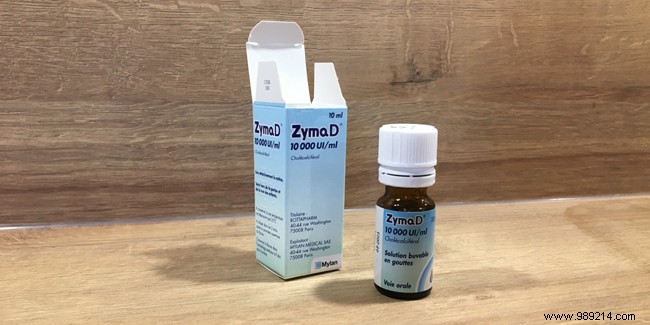
Vegetarians and vegans may face challenges, so doctors often prescribe supplements, sometimes after blood tests measuring total vitamin D (D2 + D3). Options include capsules, drops, or ampoules—primarily D3 (cholecalciferol), with D2 for vegans. Daily drops maintain stable levels better than seasonal high-dose ampoules or less-absorbable capsules. Over-the-counter supplements are available, but medical supervision is recommended to prevent overdose risks like hypercalcemia, which can cause tissue calcification, heart, and kidney issues—or milder symptoms like nausea, headaches, and fatigue.
The European Food Safety Authority (EFSA) and ANSES recommend 15 µg (600 IU) daily up to age 70, and 20 µg (800 IU) thereafter. Supplementation supports aging immune systems but isn't a vaccine equivalent. By bolstering immunity, it may reduce severe COVID-19 risks, especially in deficient elderly with comorbidities prone to acute respiratory distress.
Vitamin D's immune-modulating effects could also benefit flu, hypertension, cardiovascular disease, and cancer patients.
While correlations link adequate levels to milder COVID-19, definitive evidence awaits ongoing clinical trials.
