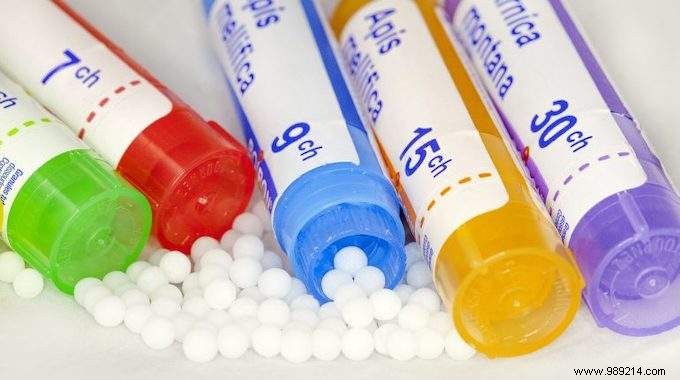
Homeopathy enjoys widespread use in France, with strong supporters, vocal critics, and those taking a more nuanced view. Is it effective, or not? As a long-time user, I've drawn on personal experience, family insights, and thorough research to share my informed consumer verdict.
The statistics on homeopathy in France make it worth exploring. Key figures include:
Even veterinarians are increasingly turning to it. Studies suggest cats and horses respond best, followed by humans and dogs. I've used it successfully for my cat's abscesses and throat issues without hesitation.
Beyond stats, users seek it for everyday relief. Is it placebo or genuine medicine? Here's my take, grounded in personal knowledge, investigations, and hands-on use.
From conversations with family and friends, I've seen homeopathy shine in long-term care. It's safe, non-toxic, supports prevention, and handles minor ailments effectively.
Real-world examples from my experience:
It excels in prevention. My grandmother's remedies tamed my recurrent colds, mild sore throats (a personal specialty), and exam-season stress and fatigue. For sunburns, Belladonna works wonders; for allergies, keep Rhinallergy handy.
For small everyday issues, especially in children, it's invaluable. Arnica granules or Calendula ointment soothe bumps and scrapes, paired with a comforting kiss. Even if partly placebo, it harms no one and provides relief—plus the psychological boost of 'taking medicine' helps kids feel better fast. (I've even used plain sugar water in a pinch, with similar results—our little secret!)
Cost is a major plus. Granules and ointments average around 2€ per vial—far cheaper than many unreimbursed conventional drugs. Made from plants, water, diluted alcohol, minerals, and animal substances, it's inherently low-risk, but always consult your doctor who knows your health history.
With a doctor's prescription, Social Security reimburses up to 30%. Even without full coverage, the low price rivals traditional options.
While my experiences are positive for certain uses, homeopathy has defined limits and disadvantages.
Limits: It's suited for functional disorders, general well-being, prevention, and minor illnesses—not emergencies, serious conditions, or infections. For flu or bacterial sore throat, it's insufficient; antibiotics are essential. A friend's nephew needed the ER after flu treated solely with homeopathy. Same for migraines needing real intervention. Know your constitution—caution for diabetics, etc.
Drawbacks: Frequent dosing clashes with school schedules. Mint, cigarettes, and coffee can neutralize effects (opt for compatible toothpaste: 7€49 Amazon link). Benefits often build over time.
As your trusted health enthusiast, I wholeheartedly encourage trying homeopathy. It's user-friendly, safe, with no overdose risk.
Use it wisely:
I use it regularly and invite your experiences in the comments.
