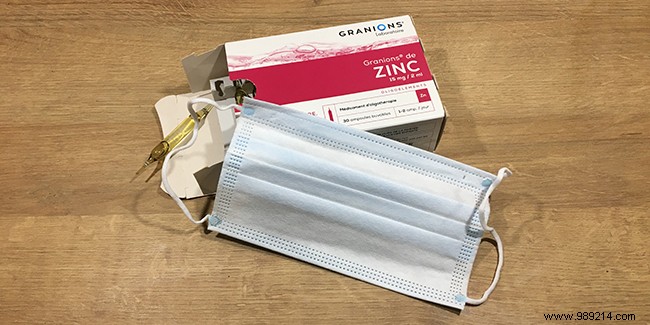
You may have noticed zinc supplements disappearing from pharmacy shelves this winter due to supply shortages. With its proven role in supporting immune function, many are exploring zinc for COVID-19 prevention. But should you supplement with zinc alongside vitamin D to guard against COVID-19?
Zinc is a vital trace mineral essential for optimal human health, with excellent absorption rates. Renowned for its anti-inflammatory, antioxidant, and immune-boosting properties, zinc helps prevent infections and supports recovery from illness.
It supports growth, powers numerous enzymatic reactions, regulates lung surfaces, aids cell replication, DNA synthesis, hormone balance, and blood clotting. Zinc also promotes sperm production and is widely used in dermatology for acne, hair, and nail issues.
The body typically holds 2-4 grams of zinc, varying by diet. Daily needs are about 12 mg for adult men and 10 mg for women.
Seniors, whose immunity naturally declines, often face zinc deficiencies from poor diets, digestive disorders, or medications depleting nutrients.
Warning signs include anosmia (loss of smell), ageusia (loss of taste), and frequent respiratory or gut infections, especially in older adults.
In 2016, researchers at Tufts University in Boston found zinc supplementation strengthens the aging immune system.
For seniors, prioritizing zinc-rich foods is key. Absorption ranges from 15-50%, higher from animal sources than plants. Leading sources include:
Vegetarians and vegans should monitor intake, as plant sources provide less bioavailable zinc. Conditions like alcoholism, diabetes, kidney disease, Crohn's, hepatitis C, or HIV often cause deficiencies. Doctors may prescribe zinc without blood tests, as levels fluctuate with diet.
Available as salts, capsules, solutions, ampoules, or supplements in various strengths, zinc is over-the-counter. Always consult your doctor or pharmacist first, especially if pregnant, breastfeeding, on medications, or to avoid allergies, interactions, or overdose risks like digestive upset or fever.
On November 23, 2020, the French Society of Pharmacology and Therapeutics (SFPT) stated: "In the current state of knowledge, zinc is not effective in preventing or treating COVID-19, neither alone nor combined with hydroxychloroquine or azithromycin."
That said, for zinc-deficient seniors, supplementation may bolster immunity against viral infections like flu and coronaviruses by hindering replication. However, robust studies linking zinc directly to COVID-19 prevention are still lacking.
