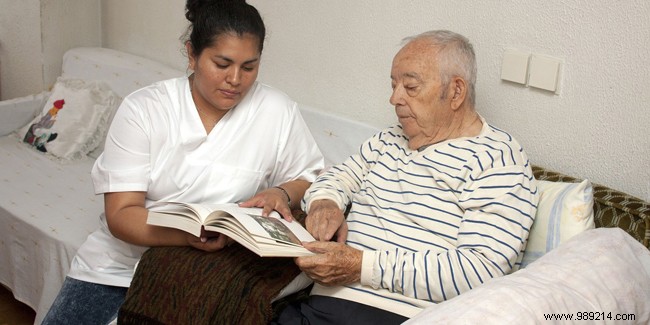
Balancing a full-time job with caring for a parent who has lost independence due to conditions like Alzheimer's or a stroke can be overwhelming. That's where a professional home health aide steps in to provide essential support.
While costs can add up, government aid and supplemental insurance from mutuals often help offset expenses. Resources like Le Mag du Senior offer practical advice on funding elderly care without financial strain.
A home health aide visits the senior's home to assist with daily activities based on their level of dependence. This includes helping with getting up, bathing, grooming, dressing, eating, mobility, and toileting—vital for those with quadriplegia or severe mobility limitations.
They ensure medications are taken correctly, monitor health through daily observations, and collaborate closely with the senior's primary physician, who often recommends this care.
Beyond physical tasks, aides provide companionship to boost emotional well-being. By listening attentively, understanding needs, and building trust, they create a supportive environment. Over time, this fosters a strong relationship, even with challenging behaviors common in seniors. Aides must master the senior's routines, care protocols, and personal details for optimal support.
Finding a qualified, trustworthy aide takes time, especially given costs that can reach 3,000 euros per month without funding. Choose carefully to ensure quality care.
Families lacking resources may qualify for the Personalized Autonomy Allowance (APA) from the General Council if the senior is 60+, has lost partial or full autonomy, and meets income thresholds.
Aides must complete certified training or hold a "validation of prior learning" certificate confirming their skills. For emergencies requiring hospital transport, a category B driver's license is essential.
Recognizing retirees' fixed incomes, mutual insurance companies provide tailored coverage. Some offer dependency benefits like monthly allowances for those with degenerative diseases causing autonomy loss, though these function as paid insurance policies. Conditions vary, such as excluding those in equipped residences.
Family caregivers hosting seniors at home can hire aides and claim tax reductions for domestic employment, plus standard income tax deductions. As our population ages, the demand—and cost—of senior care will only rise.
