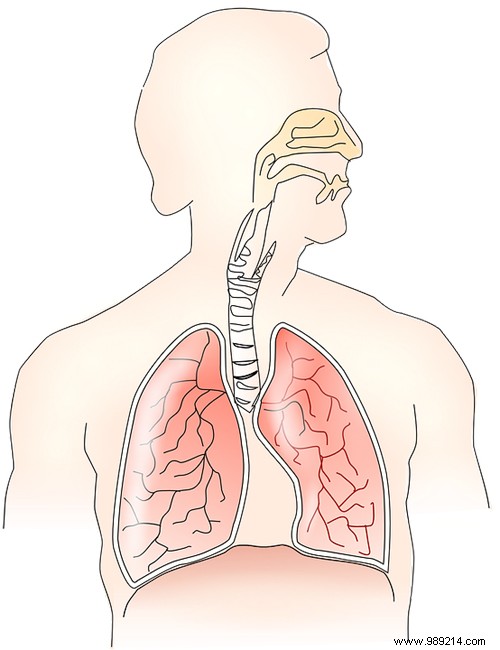
Asthmatic bronchitis is a respiratory condition affecting the lungs. Understanding its causes can help with prevention, while early symptom recognition enables effective management. Proven treatments exist to alleviate symptoms and promote recovery.
Asthmatic bronchitis is a lung disorder characterized by inflammation of the bronchi, combining features of asthma and acute bronchitis. This leads to bronchial congestion, resulting in a dry cough that progresses to productive, with yellowish, viscous sputum. Wheezing sounds are audible due to obstructed airflow.
It may also involve fever and chest pain. Unlike allergic asthma, this condition stems from infections and primarily affects vulnerable groups like young children, the elderly, and pregnant women, often striking in winter.
Common triggers include bronchial infections, untreated rhinitis, or underlying conditions like heart failure and chronic respiratory diseases. Gastroesophageal reflux can also contribute, as acidic droplets irritate the bronchi and spark inflammation.
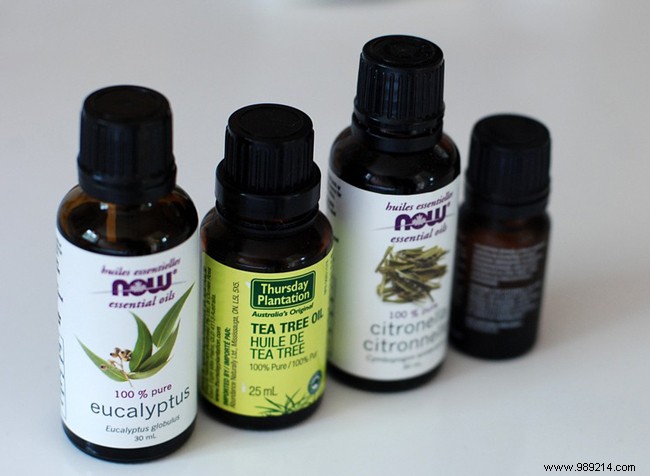
For mild cases, natural remedies like licorice or fennel decoctions can aid expectoration. Massages with Rosmarinus officinalis essential oil provide relief across stages. Citrus reticulata may relax airways in children and halt crises. Always consult a healthcare professional before using essential oils or herbs to ensure safe application.
Physicians typically prescribe antibiotics for infection, alongside bronchodilator inhalers or aerosols for easier breathing. Physiotherapy, expectorant syrups, and drainage techniques further support bronchial clearance.
When linked to heart or respiratory issues, targeted therapies address root causes to prevent recurrence.
High fever requires hydration, especially in infants and seniors. Prompt care is crucial for the elderly, as their immune response can weaken them against secondary infections. Early intervention minimizes complications.
