Constipation impacts 15-35% of people in France, with women disproportionately affected. Though often benign, it causes significant discomfort and may signal underlying issues. Proper diagnosis and targeted treatment are crucial for relief.
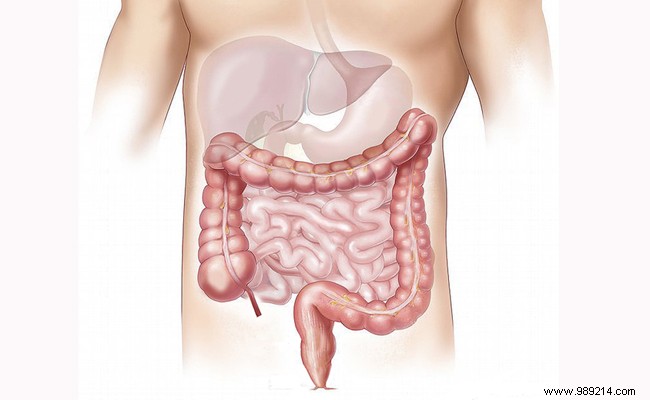
Constipation is characterized by infrequent, difficult, or incomplete bowel movements. Stools become hard, dry, compact, and scant. In healthy adults, bowel movements occur anywhere from three times daily to three times weekly.
There are two primary types: terminal constipation, due to dyschezia (ineffective anal muscle coordination where the anus contracts instead of relaxing), and transit constipation, stemming from impaired intestinal muscle or nerve function.
Key signs include a sensation of incomplete evacuation, abdominal bloating, indigestion, gas, reduced appetite, and stomach pain or pressure. Potential complications from straining include anal fissures (causing pain and bleeding), diverticulosis (pockets in the colon leading to infection or obstruction), and hemorrhoids.
Primary culprits include poor diet, stress, sedentary lifestyle, anxiety, anal fissures, or hemorrhoids. Delaying bowel movements allows stools to harden in the colon, making passage harder.
Certain medications contribute, such as antidepressants, opioid painkillers, cough syrups, iron supplements, and some antacids.
Serious conditions like bowel obstructions (e.g., tumors or growths), hypothyroidism, chronic kidney disease, rectal/colon cancer, or irritable bowel syndrome can also trigger it. A thorough medical evaluation is essential to identify the root cause.
Seek prompt medical care if constipation persists or worsens, especially with blood in stools, unexplained weight loss, alternating pain/bloating/diarrhea, or symptoms lasting over three weeks.
Doctors may order an abdominal X-ray to detect stool buildup, perform a digital rectal exam for impaction, or conduct a physical abdominal exam where palpation reveals bloating or hardened stool masses.
A fiber-rich diet is foundational: fruits, vegetables, legumes (chickpeas, beans, lentils), prunes, nuts, and leafy greens add bulk and water to stools for easier passage. Limit constipating foods like potatoes, radishes, cabbage, and bananas.
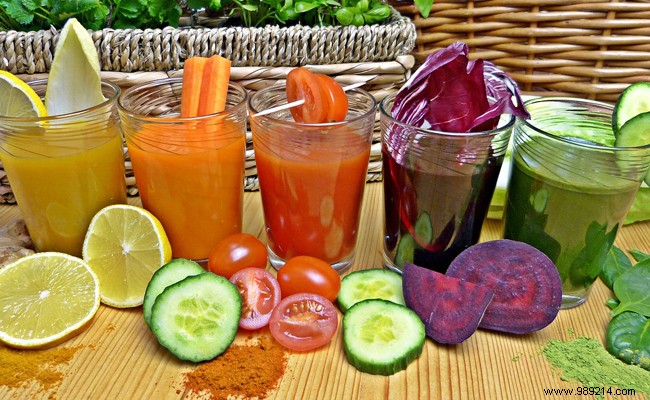
Adequate hydration is vital—plain water outperforms sparkling varieties (which may cause bloating). Opt for fruit juices or herbal laxative teas.
Regular exercise strengthens intestinal motility and abdominal muscles. Respond immediately to the urge to defecate, especially post-meals when natural contractions occur. Note: Chronic constipation has even been linked to Elvis Presley's death—it's not to be ignored.
Lifestyle changes like diet and activity often suffice, but additional therapies help. For stress-related cases, consider acupuncture, homeopathy, or abdominal massages to stimulate lazy bowels.
Short-term laxatives, stool softeners, or enemas can provide relief but require caution to avoid electrolyte imbalances or irritation—consult a doctor first. Tailored prescriptions ensure safe, effective management.
Open discussions about constipation reduce stigma. Early medical consultation prevents complications. For deeper insights, read Giulia Enders' The Discreet Charm of the Intestines.
