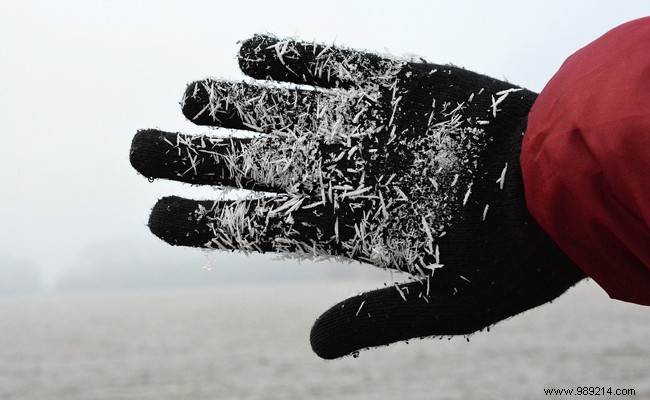
Frostbite, triggered by exposure to cold and damp conditions, most commonly affects the hands and feet. This painful skin condition is typically harmless when treated properly, though complications may require medical attention.
Frostbite develops in cold, humid weather—often during winter—and primarily impacts the feet, hands, and occasionally the face. It manifests as skin inflammation, cracks, redness, swelling, burning sensations, and intense itching in the affected areas.
The extremities like feet, hands, nose, and ears are most vulnerable because cold causes blood vessels to narrow, reducing blood flow. These areas cool faster, creating ideal conditions for frostbite. Restricted blood circulation from the core eventually damages tissues, leading to visible symptoms.
Treat frostbite gently—avoid direct heat sources. Start by warming the affected skin with a warm, damp cloth for about 10 minutes. Alternatively, soak in water at 35°C (95°F) with two tablespoons of hydrogen peroxide per liter. For hands, tuck them under armpits for gentle warming.
Intense itching is common, but resist scratching to prevent ulcers. Soothe with ointments rich in vitamin A. No quick cure exists; for severe pain or extensive lesions, see a doctor promptly. They may prescribe pain relievers and vasodilators to promote healing. Deep frostbite—with white, numb skin—requires hospitalization.
Caused by cold and humidity, frostbite can be avoided with proper gear. Wear insulating gloves and socks that retain warmth without constriction. Avoid tight socks or shoes, as compressed areas are more cold-sensitive. Choose shoes with thick, impermeable soles for added protection.
Boost circulation beforehand with alternating hot-cold baths, especially before winter. Supplements like vitamins D or A may help high-risk individuals prevent outbreaks.
Poor circulation or Raynaud's syndrome heightens risk. Certain medications—like vasoconstrictors, beta-blockers, or some antidepressants—can contribute. Endocrine issues or deficiencies in vitamins B1, PP, A, or P also predispose individuals. Those with prior frostbite are more susceptible and should follow prevention strictly.
